Listen to this article
Narrated by Charlotte · The Noble House

The Architecture of Longevity
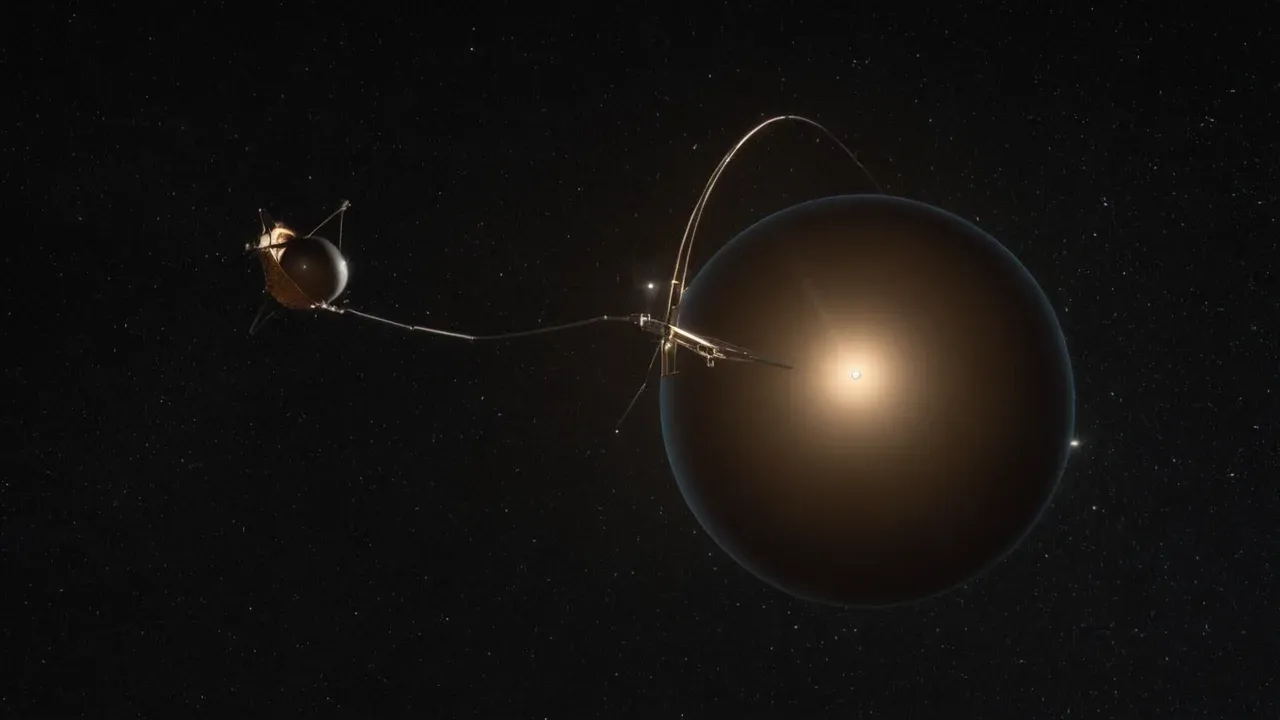
NASA engineers on August 4, 2026, executed a maneuver dubbed "Big Bang," a deliberate sacrifice of thermal comfort to preserve the probe’s scientific voice [1]popsci.comNASA successfully gives Voyager 2 another year of lifeOpen the source to inspect the supporting evidence.Open source ↗. The team traded warmth for data transmission by turning off a critical heater and shifting operations to a less efficient backup circuit [6]newsbytesapp.comNASA extends Voyager 2's life by a yearOpen the source to inspect the supporting evidence.Open source ↗. This was not a repair; it was a triage. The decision effectively traded thermal comfort for scientific survival [6]newsbytesapp.comNASA extends Voyager 2's life by a yearOpen the source to inspect the supporting evidence.Open source ↗. The result was immediate: enough electricity was saved to keep three interstellar instruments running, ensuring the probe does not fall silent in the near future [3]techtimes.comNASA's 'Big Bang' Saves Voyager 2's Last Three Interstellar InstrumentsOpen the source to inspect the supporting evidence.Open source ↗. This action extends Voyager 2's operational life by at least one year, allowing the veteran spacecraft to continue its journey as it drifts through space at 34,000 mph [7]mashable.comCredit: NASA / JPL-Caltech illustrationOpen the source to inspect the supporting evidence.Open source ↗. The successful execution of this plan demonstrates the resilience of the spacecraft's design and the ingenuity of the team managing it from Earth.
The context of this maneuver is defined by the relentless decay of Voyager 2's power source. The probe relies on Radioisotope Thermoelectric Generators (RTGs) that convert the heat from decaying plutonium into electricity. This process is irreversible and predictable. Voyager 2's plutonium power supply bleeds roughly 4 watts per year, currently down to about 57% of its 1977 output [2]tech.yahoo.comOne Shot, No Take-Backs: How Engineers Hacked Voyager 2 to Extend Its MissionOpen the source to inspect the supporting evidence.Open source ↗. This steady decline means that every watt saved is a victory against time. The margin for error is narrowing with each passing year, making the "Big Bang" maneuver a necessary step in the ongoing struggle to keep the probe alive. The decision to execute this maneuver was not taken lightly. It required careful analysis of which systems could be sacrificed without compromising the primary mission objectives. The result is a temporary reprieve, granting the probe another year of life before the next critical power budgeting decision must be made [8]science.slashdot.orgNASA figured out how to keep its 48-year-old Voyager 2 probe running for yet another yearOpen the source to inspect the supporting evidence.Open source ↗.
Compass Predictive Analytics
Compass Predictive Analytics
Engineering the Survival
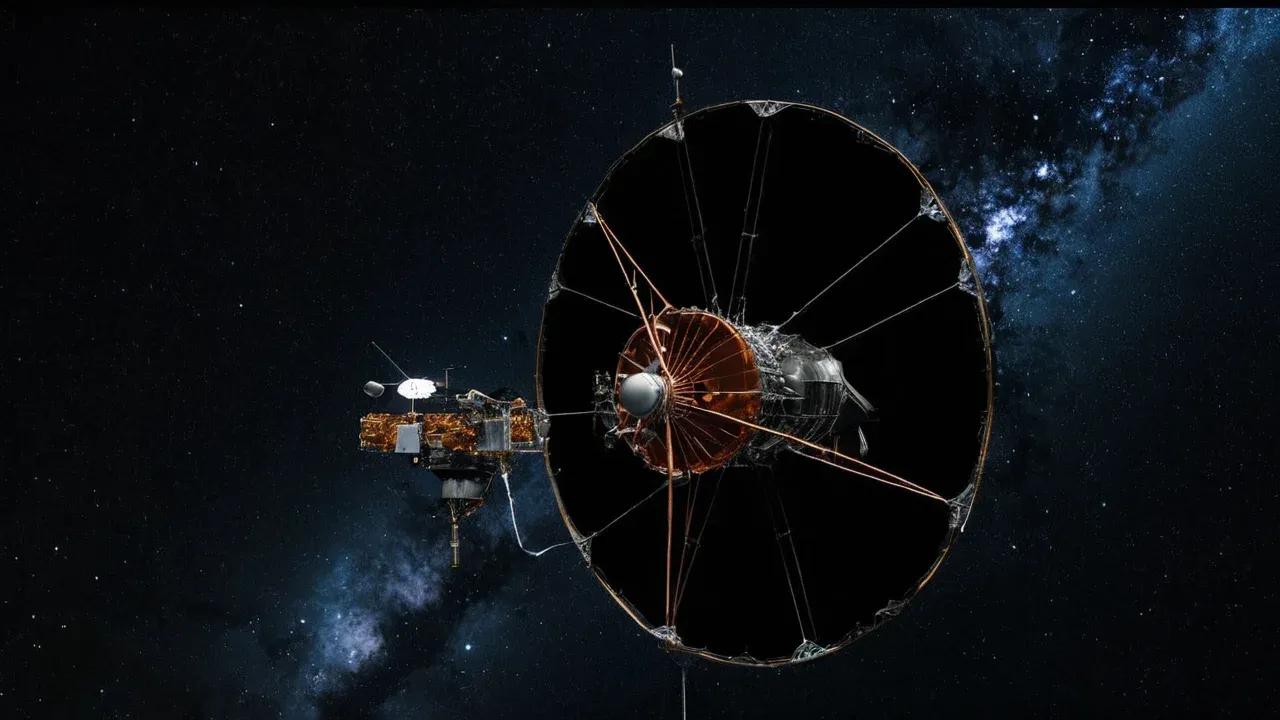
The technical execution of the "Big Bang" maneuver highlights the complexity of managing a spacecraft that has been operating for nearly five decades. The maneuver specifically saved the last three interstellar instruments, preventing the need to shut them off prematurely [3]techtimes.comNASA's 'Big Bang' Saves Voyager 2's Last Three Interstellar InstrumentsOpen the source to inspect the supporting evidence.Open source ↗. These instruments are the primary tools through which Voyager 2 explores the heliosheath and the interstellar medium. Without them, the probe would become a silent messenger, carrying data it can no longer analyze. The engineers at NASA's Jet Propulsion Laboratory have eked out a little more life for instruments aboard the veteran Voyager 2 probe by identifying redundant or non-essential power drains [4]theregister.comVoyager 2 cheats the power budget for another yearOpen the source to inspect the supporting evidence.Open source ↗. This involved a precise recalibration of the spacecraft's power distribution network.
The shift to backup circuits was a key component of this strategy. Backup circuits are often less efficient or more difficult to access than primary systems, but they offer a lifeline when primary systems are too power-hungry. By moving critical operations to these secondary paths, NASA engineers found a way to conserve Voyager 2's dwindling power supply [5]facebook.comNASA engineers found a way to conserve Voyager 2's dwindling power supplyOpen the source to inspect the supporting evidence.Open source ↗. This is not the first time such measures have been taken. Throughout its history, Voyager 2 has undergone similar power rationing exercises to extend its mission. However, each successive maneuver becomes more difficult as the power output continues to decline at 4 watts per year. The "Big Bang" maneuver is particularly notable because it addresses the power needs of the interstellar instruments directly. These instruments require a specific amount of power to function correctly, and any shortfall would result in data loss. The success of this maneuver ensures that the data stream from Voyager 2 remains intact for at least one more year [3]techtimes.comNASA's 'Big Bang' Saves Voyager 2's Last Three Interstellar InstrumentsOpen the source to inspect the supporting evidence.Open source ↗.
The pre-emptive nature of this work is also significant. NASA was working on 'Big Bang' upgrade for Voyager probes, with pre-emptive work announced in April 2026 [7]mashable.comCredit: NASA / JPL-Caltech illustrationOpen the source to inspect the supporting evidence.Open source ↗. This early preparation allowed engineers to test and refine the maneuver before it was strictly necessary. It also provided a window to assess the health of the backup circuits and ensure they were ready to take on the load. The announcement of this work in April 2026 signaled to the scientific community that NASA was aware of the approaching power crisis and was taking proactive steps to mitigate it. The execution in August 2026 confirmed that the plan was viable. This proactive approach distinguishes the current management of Voyager 2 from reactive crisis management. It reflects a long-term strategic view of the mission, one that prioritizes the continuity of scientific discovery over short-term operational ease.
Compass Predictive Analytics
The Interstellar Frontier
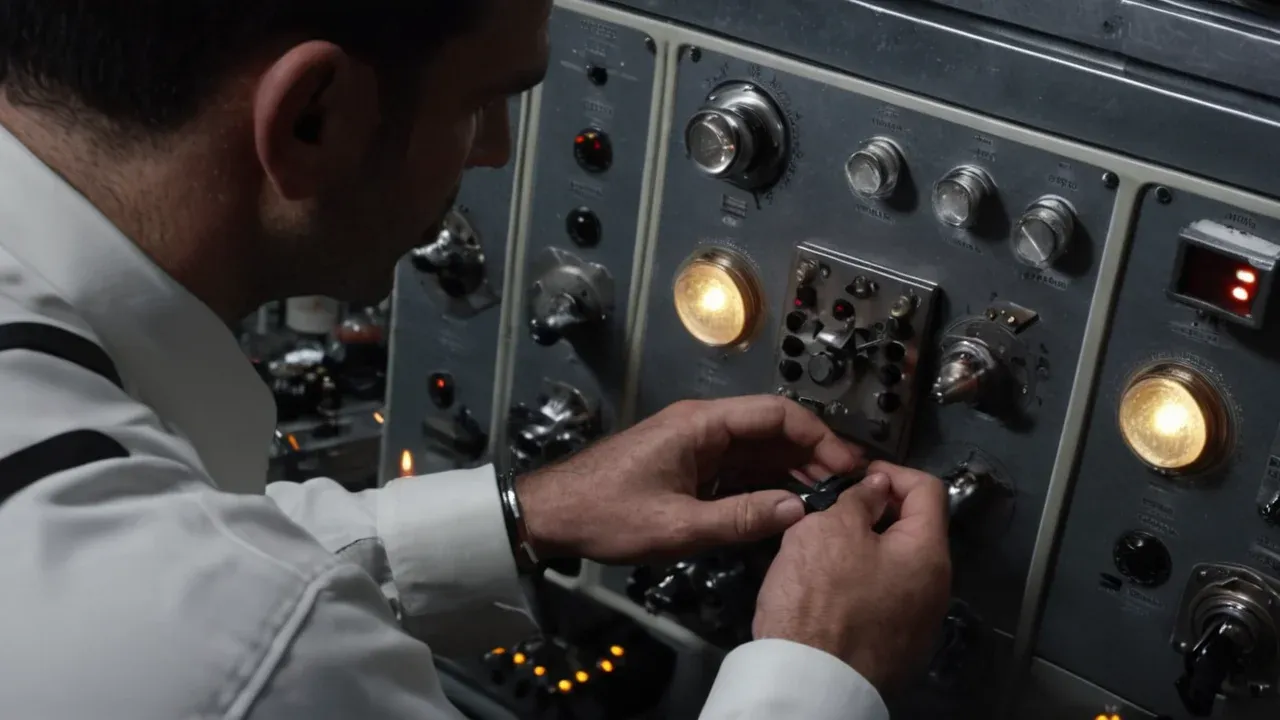
Voyager 2's presence in interstellar space is a unique scientific opportunity. Launched in 1977, the probe has been careening through interstellar space since 2012 [5]facebook.comNASA engineers found a way to conserve Voyager 2's dwindling power supplyOpen the source to inspect the supporting evidence.Open source ↗. For over a decade, it has provided the only direct measurements of the environment beyond the heliosphere. The data it collects helps scientists understand the structure of the interstellar medium, the nature of cosmic rays, and the boundary between the solar wind and the galaxy. The extension of its mission into at least 2027 is crucial for maintaining this continuous data stream [5]facebook.comNASA engineers found a way to conserve Voyager 2's dwindling power supplyOpen the source to inspect the supporting evidence.Open source ↗. A gap in the data would make it difficult to track changes in the interstellar environment over time.
The speed at which Voyager 2 travels is a defining characteristic of its mission. It drifts through space at 34,000 mph, moving away from the Sun at a rate that will take it billions of light-years from Earth in the distant future [7]mashable.comCredit: NASA / JPL-Caltech illustrationOpen the source to inspect the supporting evidence.Open source ↗. This speed ensures that the probe will never return, making every piece of data it sends back irreplaceable. The "Big Bang" maneuver ensures that this data stream continues. The probe is not just a relic of the past; it is an active instrument in the present and future of astrophysics. The decision to keep the interstellar instruments running is a decision to keep exploring. It acknowledges that the mysteries of interstellar space are not yet fully understood and that Voyager 2 is one of the few tools capable of addressing them.
The historical context of Voyager 2's launch adds weight to its current survival. The probe was designed for a five-year mission. Its continued operation for 48 years is a testament to its robust construction and the ingenuity of its operators. The "Big Bang" maneuver is a continuation of this legacy. It shows that the spirit of exploration that drove the original mission is still alive in the management of the probe. The engineers who executed the maneuver are part of a long chain of scientists and technicians who have kept Voyager 2 alive. Each one has faced the challenge of extending the mission against the odds. The "Big Bang" maneuver is a new link in that chain. It ensures that the probe can continue to serve its purpose for another year, providing valuable data to the scientific community.
Compass Predictive Analytics
Strategic Implications and Future Outlook
The success of the "Big Bang" maneuver has broader implications for the management of deep space missions. It demonstrates that even aging spacecraft can be kept operational through innovative engineering solutions. The strategy of power rationing, which has kept Voyager 2 alive for 48 years, is a model for future missions that may face similar power constraints. The margin for error is narrowing, but the ability to extend operational life through careful management of resources is a critical skill for space agencies. The "Big Bang" maneuver is a clear example of this skill in action. It shows that a combination of foresight, technical expertise, and willingness to make difficult trade-offs can extend the life of a spacecraft well beyond its original design life.
The extension of Voyager 2's mission into at least 2027 provides a window for further scientific discovery. The interstellar medium is a dynamic environment, and changes can occur over time. Continuous monitoring is essential to understand these changes. The "Big Bang" maneuver ensures that Voyager 2 can continue to provide this monitoring. It also allows for the possibility of further extensions. If the power decay rate remains predictable and the spacecraft's health remains stable, additional maneuvers may be possible in the future. The success of the current maneuver sets a precedent for these future efforts. It proves that the spacecraft is still capable of responding to power conservation measures.
The collaboration between NASA and the broader scientific community is also a key factor in the success of the mission. The data from Voyager 2 is used by researchers around the world to advance our understanding of the universe. The extension of the mission ensures that this data continues to be available. It supports the global scientific enterprise and reinforces the value of long-term investment in space exploration. The "Big Bang" maneuver is not just a technical achievement; it is a commitment to the future of science. It shows that the desire to explore the unknown is a driving force that can overcome the limitations of aging technology. The probe's continued operation is a symbol of human curiosity and resilience.
Compass Predictive Analytics
Decisive Conclusion
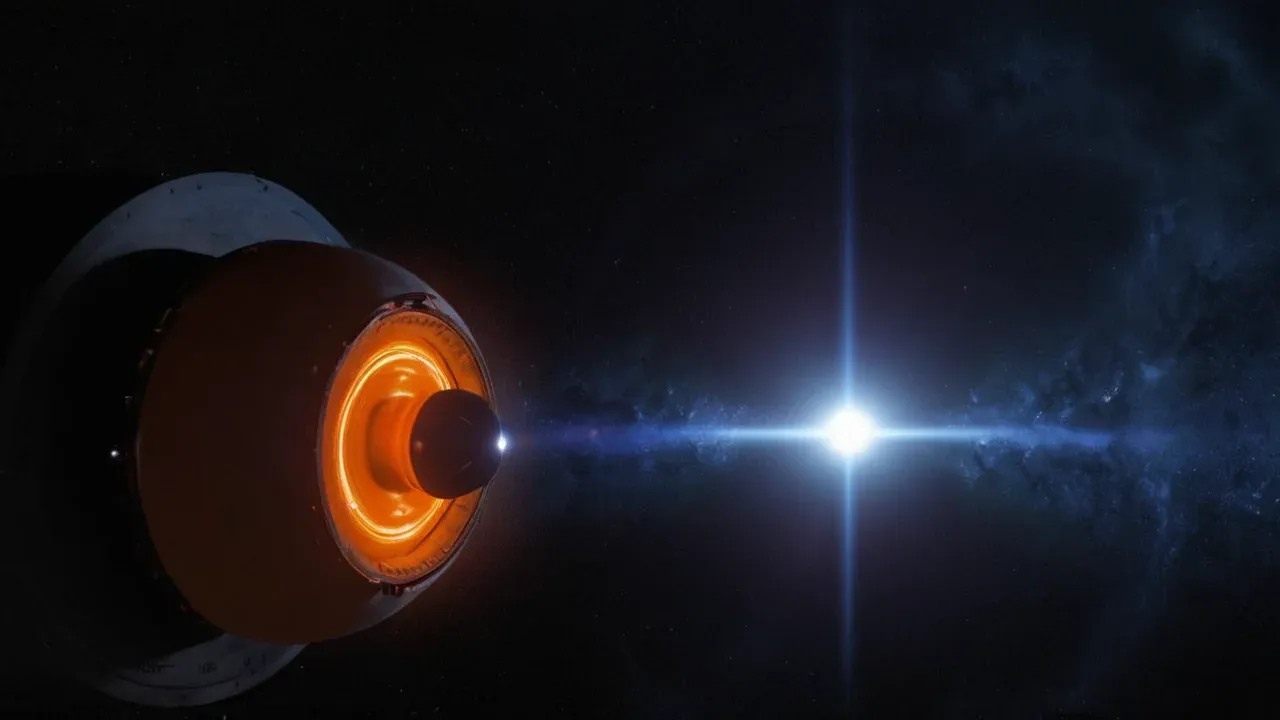
The execution of the "Big Bang" maneuver on August 4, 2026, is a definitive affirmation of NASA's commitment to the Voyager 2 mission. By turning off a heater and shifting operations to a backup circuit, engineers have secured the survival of the last three interstellar instruments [3]techtimes.comNASA's 'Big Bang' Saves Voyager 2's Last Three Interstellar InstrumentsOpen the source to inspect the supporting evidence.Open source ↗. This action prevents the premature end of the probe’s scientific career and ensures that data from the interstellar medium will continue to flow to Earth for at least one more year [8]science.slashdot.orgNASA figured out how to keep its 48-year-old Voyager 2 probe running for yet another yearOpen the source to inspect the supporting evidence.Open source ↗. The maneuver addresses the critical issue of power decay, which is currently reducing the spacecraft's output by 4 watts per year [2]tech.yahoo.comOne Shot, No Take-Backs: How Engineers Hacked Voyager 2 to Extend Its MissionOpen the source to inspect the supporting evidence.Open source ↗. The successful implementation of this plan demonstrates that engineering ingenuity can offset the natural limits of radioactive decay.
Voyager 2's ability to continue its journey at 34,000 mph is a testament to the robustness of its design and the dedication of its operators [7]mashable.comCredit: NASA / JPL-Caltech illustrationOpen the source to inspect the supporting evidence.Open source ↗. The probe was launched in 1977 and has been exploring interstellar space since 2012 [5]facebook.comNASA engineers found a way to conserve Voyager 2's dwindling power supplyOpen the source to inspect the supporting evidence.Open source ↗. Its extended mission into at least 2027 allows for the continuation of a unique scientific record [5]facebook.comNASA engineers found a way to conserve Voyager 2's dwindling power supplyOpen the source to inspect the supporting evidence.Open source ↗. This record is invaluable for understanding the boundary between the solar system and the galaxy. The "Big Bang" maneuver is a critical step in preserving this record. It ensures that the probe remains an active instrument rather than a silent relic.
The future of Voyager 2 depends on continued power management and engineering innovation. The margin for error is narrowing, but the success of the current maneuver provides hope for further extensions. The pre-emptive work announced in April 2026 allowed for careful planning and execution [7]mashable.comCredit: NASA / JPL-Caltech illustrationOpen the source to inspect the supporting evidence.Open source ↗. This approach sets a standard for the management of aging deep space probes. It shows that proactive measures can extend the life of a mission and maximize its scientific return. The "Big Bang" maneuver is a milestone in the history of space exploration. It represents the triumph of human ingenuity over the decay of time. Voyager 2 will continue to drift through the void, carrying the legacy of its creators and the promise of new discoveries, for at least one more year [8]science.slashdot.orgNASA figured out how to keep its 48-year-old Voyager 2 probe running for yet another yearOpen the source to inspect the supporting evidence.Open source ↗. The probe's survival is not just a technical success; it is a victory for science and exploration.
Compass Predictive Analytics