Listen to this article
Narrated by Charlotte · The Noble House
Compass Strategic Intelligence
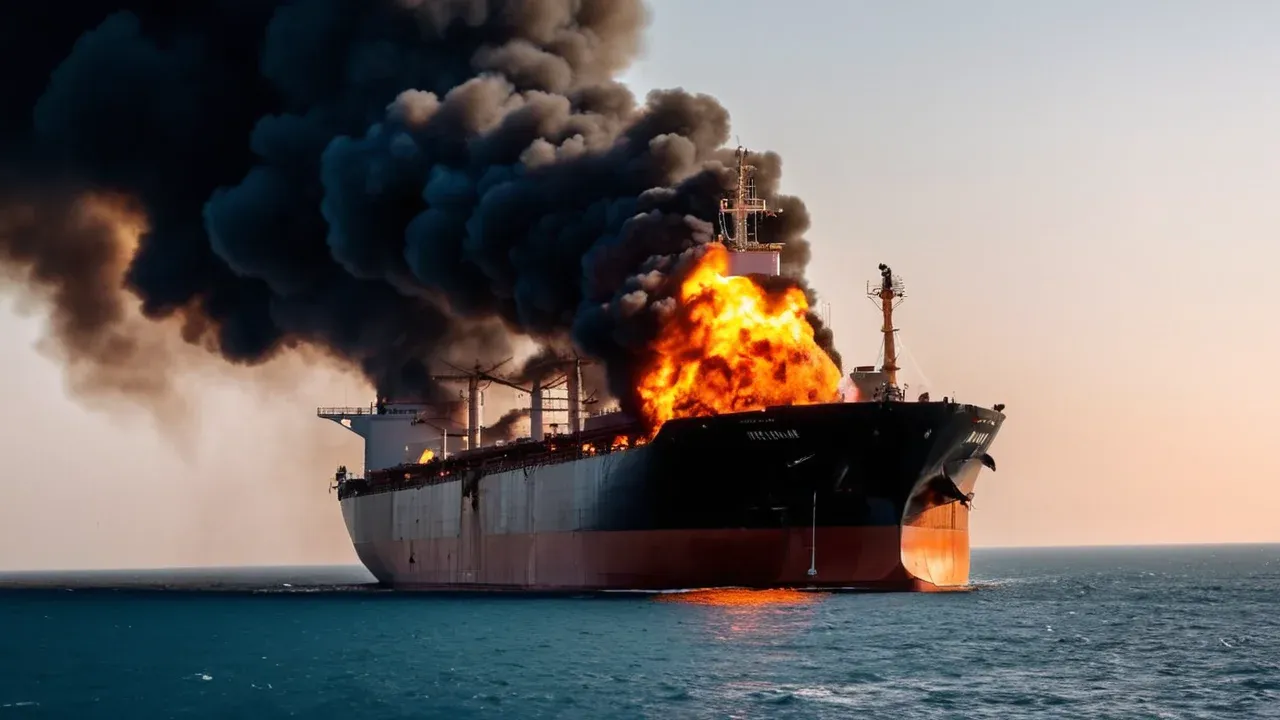
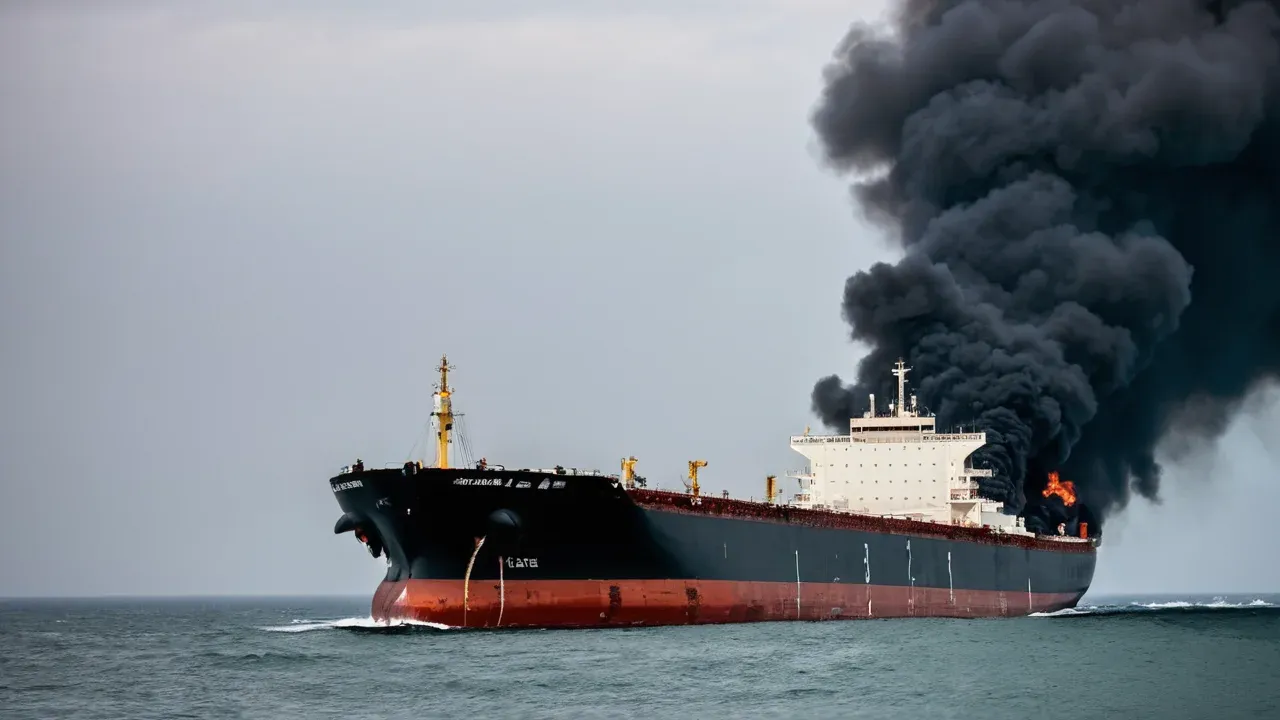
The Strait of Hormuz functions as a vital artery, and it is hemorrhaging. On July 20, 2026, the waters turned black with spilled oil and white with smoke from burning vessels. A tanker, its hull torn open by an Iranian drone, listed heavily as its crew jumped into the churning sea [9]apnews.comStrait of Hormuz tanker attack by IranOpen the source to inspect the supporting evidence.Open source ↗. Hundreds of miles inland, inside the darkened command centers of Tehran, screens displayed the aftermath of the ninth consecutive night of U.S. airstrikes [1]cnbc.comU.S. hits Iran for ninth consecutive night as casualties riseOpen the source to inspect the supporting evidence.Open source ↗. The air carried the scent of jet fuel and the static of jamming frequencies. In Washington, President Donald Trump watched the feeds, his warning echoing in the silence after the explosions: Tehran would pay for the deaths of three American service members [3]cnn.comJuly 20, 2026 — US completes more strikes against Iran after Trump warningOpen the source to inspect the supporting evidence.Open source ↗. The strikes were not a reaction. They were a sentence.
Strategic Objectives and Target Selection
The U.S. military campaign against the Islamic Republic of Iran, culminating in the tenth consecutive night of strikes, operates as a calculated restructuring of regional power rather than a simple punitive response to aggression. By systematically degrading the Islamic Revolutionary Guard Corps (IRGC) and enforcing a return to the Strait of Hormuz, the United States is trading diplomatic neutrality for coercive dominance. This strategy prioritizes the immediate restoration of global energy transit over the long-term stability of a negotiated peace, accepting the risk of escalation as the price of securing American interests. The selection of targets reflects a deliberate intent to dismantle the IRGC’s ability to project power. Army Recognition detailed how the strikes focused on dismantling the command and control networks that facilitate Iranian asymmetric warfare [2]cnbc.comU.S. strikes Iran and Houthis threaten Saudi Arabia shipping as mediators push 10-day ceasefireOpen the source to inspect the supporting evidence.Open source ↗. By suppressing air defense systems, U.S. aircraft can operate with greater freedom, reducing risk to pilots and increasing the effectiveness of subsequent strikes. This approach aims to achieve air superiority, a prerequisite for enforcing a naval blockade and ensuring the safety of commercial shipping lanes. Gulf News highlighted that the focus on regime targets indicates a long-term strategy to fundamentally alter the IRGC’s operational capacity, distinguishing between military targets and civilian infrastructure [6]youtube.comBREAKING: US launches 9th night of strikes on IranOpen the source to inspect the supporting evidence.Open source ↗. The precision of these strikes, as noted in CENTCOM reports, targets specific nodes: air defense systems, missile sites, and command hubs [10]armyrecognition.comCENTCOM 9th night strike targetsOpen the source to inspect the supporting evidence.Open source ↗. This precision is not accidental. It is the mechanism by which the U.S. seeks to degrade Iranian capabilities without triggering a broader, uncontrolled regional war, at least in the immediate term. The tenth night of strikes, reported shortly after the ninth, suggests that the ceasefire proposal has not yet altered Iranian behavior sufficiently to warrant a halt [4]apnews.comTanker attacked in Strait of Hormuz US strikes Iran for 10th nightOpen the source to inspect the supporting evidence.Open source ↗. This persistence signals that the U.S. views the degradation of the IRGC as a non-negotiable prerequisite for any future diplomatic engagement. The military objective is clear: to force a recalibration of Iranian behavior through sustained, visible pressure.
Compass Predictive Analytics
The Role of Information Operations
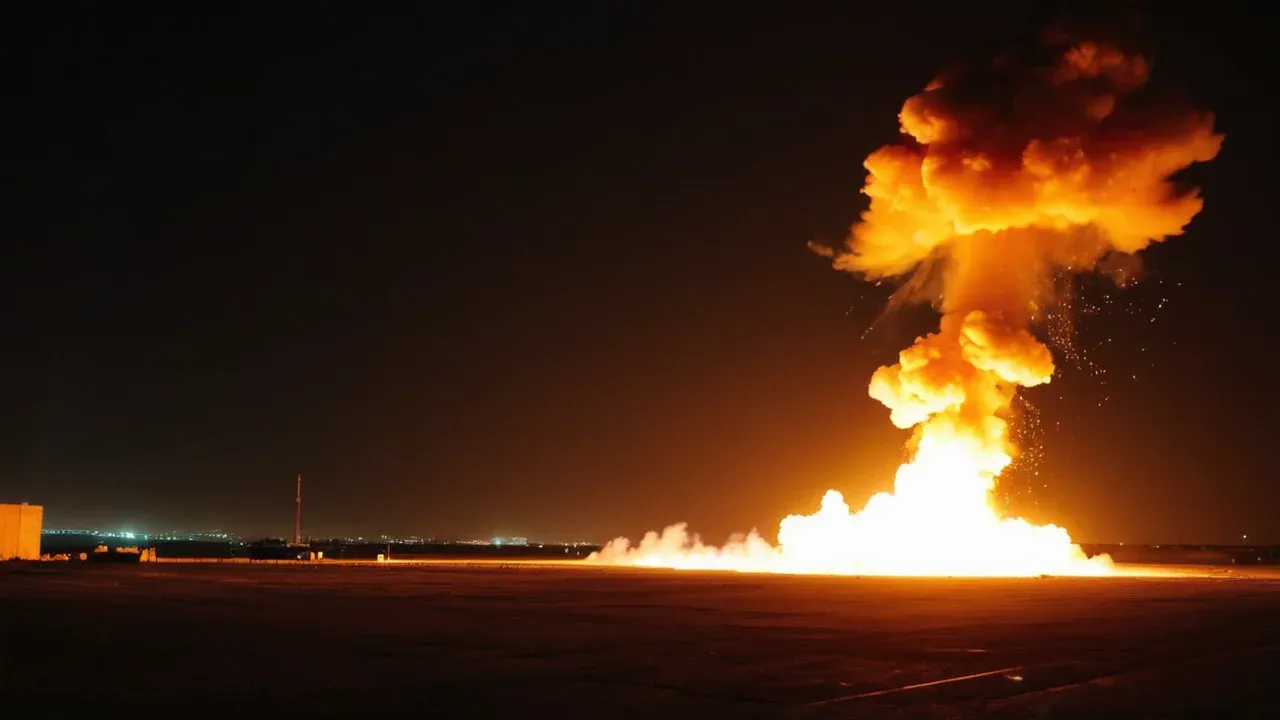
The mechanism of the U.S. campaign is precision coupled with persistence, but it is equally defined by the strategic use of information. The ninth wave of strikes targeted specific nodes: air defense systems, missile sites, and command hubs [5]armyrecognition.comUS launches 9th wave of night strikes against Iran to restore Strait of Hormuz transitOpen the source to inspect the supporting evidence.Open source ↗. By blinding the IRGC’s early warning capabilities, the U.S. has created a window of operational freedom for its own forces. This is not random bombing. It is the deliberate dismantling of the tools Iran uses to project power. The release of footage from these strikes [7]aljazeera.comUS releases footage of ninth consecutive night of strikes on IranOpen the source to inspect the supporting evidence.Open source ↗ serves as both a tactical warning and a strategic signal, demonstrating that the U.S. can strike anywhere, anytime, with impunity. This visual evidence is designed to break the IRGC’s will to fight by showing that their defenses are illusory. The visual component of the campaign is crucial. In an era where information travels instantly, the imagery of precise strikes serves to undermine the perceived invulnerability of the IRGC. It sends a message to both domestic and international audiences that the U.S. maintains technological and operational superiority. This superiority is not just about hardware. It is about the narrative control that accompanies it. By controlling the narrative, the U.S. seeks to isolate Iran diplomatically, framing the conflict as a defense of global commerce rather than a bilateral dispute. The release of footage and intelligence serves to validate the U.S. claim that its actions are measured and necessary. This information strategy is part of a broader effort to shape the perceptions of regional actors, particularly those who might consider supporting Iran. By demonstrating the cost of resistance, the U.S. hopes to deter further aggression from proxies. The strikes are a surgical intervention to remove a cancerous threat to international stability, as argued by supporters of the escalation. They contend that the IRGC operates outside the bounds of conventional deterrence, viewing American restraint as weakness. From this perspective, the only language Iran understands is force. The systematic destruction of IRGC command and control networks is not an act of aggression but a necessary correction to a broken equilibrium. Without this degradation, Iran will continue to use proxies and asymmetric warfare to hold the global economy hostage. The information operations thus serve to legitimize the military actions, providing a rationale that appeals to both strategic necessity and moral imperative. The goal is to create a consensus that the escalation is not justifiable, but inevitable, given Iran’s past behavior.
Compass Predictive Analytics
Regional Dynamics and Diplomatic Efforts
Supporters of the escalation argue that diplomacy has failed because Iran has never respected a ceasefire that does not include military pressure. They contend that the IRGC operates outside the bounds of conventional deterrence, viewing American restraint as weakness. From this perspective, the only language Iran understands is force. The systematic destruction of IRGC command and control networks is not an act of aggression but a necessary correction to a broken equilibrium. Without this degradation, Iran will continue to use proxies and asymmetric warfare to hold the global economy hostage. The strikes are a surgical intervention to remove a cancerous threat to international stability. However, surgery carries the risk of killing the patient. By targeting the IRGC’s core infrastructure, the U.S. is not just removing a threat. It is dismantling the very entity that Iran relies on for regime survival. This creates a vacuum of power that may be filled by chaos rather than order. The assumption that degrading military capability will lead to compliance ignores the psychological reality of a regime cornered by existential threat. When a state feels it is fighting for its existence, it does not negotiate. It escalates. Critics argue that this escalation undermines the ongoing diplomatic efforts. Regional mediators have proposed a ten-day ceasefire to halt the violence [8]cnbc.comUS-Iran Conflict: 10-day ceasefire proposal under discussionOpen the source to inspect the supporting evidence.Open source ↗. They warn that continued strikes will harden Iranian resolve and alienate potential allies in the region. The Houthis, aligned with Iran, have threatened Saudi Arabian shipping, complicating the security landscape [2]cnbc.comU.S. strikes Iran and Houthis threaten Saudi Arabia shipping as mediators push 10-day ceasefireOpen the source to inspect the supporting evidence.Open source ↗. By ignoring the ceasefire proposal, the U.S. signals that it does not trust Iran’s intentions and is willing to bear the diplomatic cost of further escalation. This approach risks isolating the U.S. internationally, painting it as an aggressor rather than a defender. However, the ceasefire proposal comes without preconditions, which the U.S. views as an unacceptable starting point. The tenth night of strikes, reported shortly after the ninth, suggests that the ceasefire proposal has not yet altered Iranian behavior sufficiently to warrant a halt [4]apnews.comTanker attacked in Strait of Hormuz US strikes Iran for 10th nightOpen the source to inspect the supporting evidence.Open source ↗. The U.S. strategy is one of calibrated escalation: using military force to create leverage for diplomatic solutions. By demonstrating that it can continue to strike indefinitely, the U.S. forces Iran to weigh the cost of resistance against the benefits of compliance. The risk of isolation is outweighed by the necessity of enforcing international norms regarding freedom of navigation. To navigate this crisis, the U.S. must follow a precise path. First, maintain the degradation of IRGC capabilities until a verifiable cessation of hostilities is achieved. Second, use the released footage and intelligence to isolate Iran diplomatically, framing the conflict as a defense of global commerce rather than a bilateral dispute. Third, offer a clear off-ramp for Iran: a ceasefire that includes the restoration of tanker transit and the dismantling of proxy networks. Without this ladder, escalation will continue unchecked. The regional dynamics are complex, with multiple actors having stakes in the outcome. The Houthis’ threat to Saudi shipping highlights the interconnectedness of the conflict. Any solution must account for the broader regional implications, not just the bilateral U.S.-Iran dynamic. The U.S. must balance its immediate military objectives with the long-term stability of the region. This requires a nuanced understanding of the political landscape and a willingness to engage with regional actors who may have conflicting interests. The diplomatic effort is not just about ending the current violence but about establishing a new framework for regional security that can withstand future provocations.
Compass Predictive Analytics
Economic and Human Costs
The stakes are measured in barrels of oil and lives. The Strait of Hormuz carries roughly twenty percent of the world’s oil supply. Disruption here does not just raise prices. It triggers global inflation, supply chain collapse, and economic shockwaves that reach from Tokyo to New York. Simultaneously, the death of three U.S. service members has transformed a geopolitical dispute into a matter of national honor and domestic political survival. If the U.S. fails to restore transit, it loses credibility as a guarantor of global order. If it succeeds too aggressively, it risks igniting a regional war that no one can contain. The economic implications of the conflict are profound. The Strait of Hormuz is a critical chokepoint for global energy markets. Any disruption to shipping through this strait has immediate and severe consequences for global prices. The tanker attack by Iran [9]apnews.comStrait of Hormuz tanker attack by IranOpen the source to inspect the supporting evidence.Open source ↗ is a stark reminder of the vulnerability of these supply chains. The U.S. military response is designed to restore confidence in the security of these routes. However, the cost of this restoration is high. The financial burden of maintaining a military presence in the region, combined with the potential for further escalation, creates uncertainty for investors and consumers alike. The global economy may stabilize in the short term, but the long-term risks remain significant. The human cost is equally severe. The deaths of U.S. service members are a tragic reminder of the dangers of military engagement. The impact on the families of these service members, and on the broader public, is profound. The political pressure to respond decisively is intense, but it must be balanced against the potential for further loss of life. The IRGC’s operational capacity has been targeted, but the human toll of the conflict continues to mount. The strikes have caused casualties, both military and civilian, in Iran. The humanitarian implications of these casualties are significant, particularly in the context of a prolonged conflict. The U.S. must consider the ethical dimensions of its actions, weighing the strategic benefits against the human cost. The global economy may stabilize, but the geopolitical landscape will be more volatile. The reliance on sustained aerial strikes and information operations marks a shift from containment to coercion. This approach may succeed in restoring transit in the short term, but it risks long-term instability. By dismantling the IRGC, the U.S. removes a stabilizing force in Iranian politics, potentially leading to internal chaos that could spill over into the region. The economic and human costs are intertwined, with each influencing the other. The financial instability caused by the conflict exacerbates the human suffering, while the human suffering fuels political pressure for further escalation. The U.S. must navigate this complex landscape with care, ensuring that its actions do not lead to unintended consequences that outweigh the benefits.
Compass Predictive Analytics
Decisive Outlook
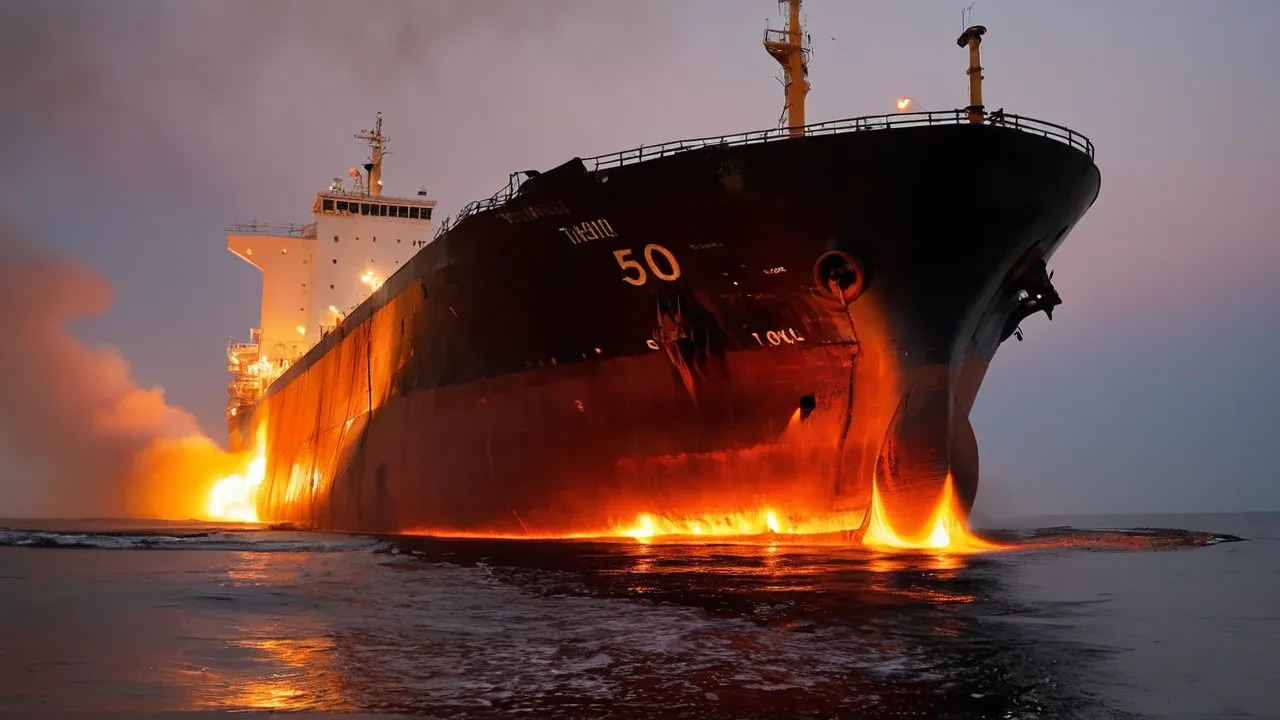
The implication of this strategy is a new era of U.S. military engagement in the Middle East. The reliance on sustained aerial strikes and information operations marks a shift from containment to coercion. This approach may succeed in restoring transit in the short term, but it risks long-term instability. By dismantling the IRGC, the U.S. removes a stabilizing force in Iranian politics, potentially leading to internal chaos that could spill over into the region. The global economy may stabilize, but the geopolitical landscape will be more volatile. The tanker in the Strait of Hormuz is still sinking. The oil spreads across the water, a black mirror reflecting the fires burning in Tehran. The U.S. has struck for ten nights. The world holds its breath, waiting to see if the strikes will bring peace or war. The answer lies not in Washington or Tehran, but in the choice Iran makes next: to submit, or to burn. The decisive outlook depends on Iran’s response. If Iran chooses to submit, the U.S. may achieve its objectives with minimal further escalation. If Iran chooses to burn, the conflict could expand into a broader regional war with unpredictable consequences. The U.S. must be prepared for both outcomes. The strategy of calibrated escalation requires careful management to avoid tipping the balance toward chaos. The diplomatic off-ramp offered to Iran is crucial. It provides a path for de-escalation, but it must be credible and achievable. The U.S. must signal that it is willing to engage in diplomacy if Iran demonstrates a willingness to comply. The global community must also play a role in supporting these efforts. Regional mediators have proposed a ten-day ceasefire [8]cnbc.comUS-Iran Conflict: 10-day ceasefire proposal under discussionOpen the source to inspect the supporting evidence.Open source ↗, which could serve as a framework for broader negotiations. The U.S. must engage with these mediators to ensure that the ceasefire is sustainable. The role of information operations will continue to be critical in shaping the narrative of the conflict. The U.S. must maintain control of the narrative to prevent the conflict from spiraling out of control. The economic and human costs must be managed to prevent further destabilization. The U.S. must balance its immediate military objectives with the long-term stability of the region. The decisive outlook is uncertain, but the path forward requires careful navigation. The U.S. must remain vigilant, adaptable, and committed to the goal of regional stability. The choice Iran makes next will determine the future of the conflict and the broader geopolitical landscape. The world watches, waiting for the outcome. The stakes are high, and the consequences of failure are severe. The U.S. must rise to the challenge, ensuring that its actions lead to a more secure and stable future.