
Listen to this article
Narrated by Charlotte · The Noble House
Compass Strategic Intelligence
The Breach of the Northern Frontier
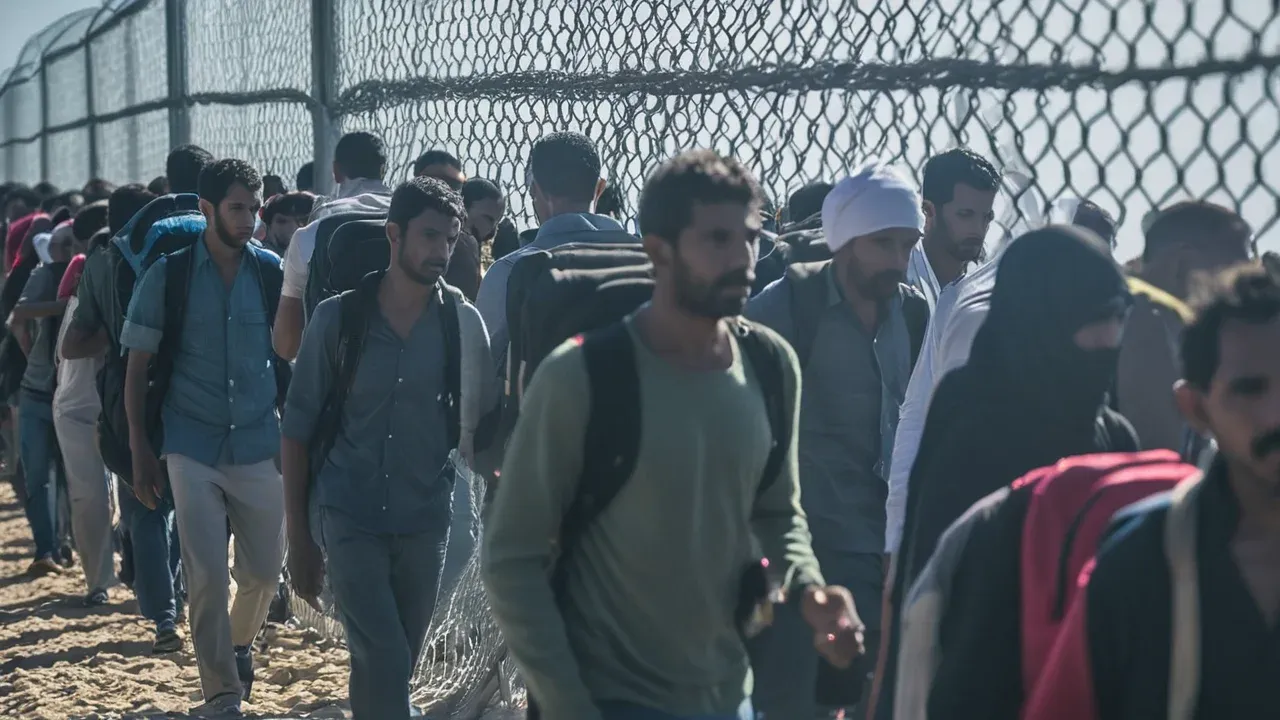
A late July afternoon in 2026 transformed the sand at the Ceuta border into a threshold of historical significance. The physical fence separating Spanish soil from Morocco did not just hold back individuals; it held back a tide. The Spanish exclave of Ceuta, officially recognized as the Autonomous City of Ceuta, has long served as a symbolic and physical barrier between Europe and the rest of the continent [7]en.m.wikipedia.orgCeuta - WikipediaOpen the source to inspect the supporting evidence.Open source ↗. For decades, the border between this autonomous city and Morocco has been a site of sporadic tension, managed through a combination of fencing, surveillance, and diplomatic negotiation. However, in late July 2026, this delicate equilibrium was shattered by a sudden and overwhelming surge of migration that overwhelmed local authorities and triggered a humanitarian crisis of unprecedented scale [2]edition.cnn.comAround 50,000 migrants crossed into Spain’s North African exclave of Ceuta this weekOpen the source to inspect the supporting evidence.Open source ↗. Between 50,000 and 60,000 migrants crossed from Morocco into Ceuta, marking a structural breakdown of border control mechanisms rather than a statistical anomaly. The sheer volume of the influx, combined with the high mortality rate and the rapid deployment of military force, marked a turning point in the geopolitical relationship between Spain and Morocco. This incident exposed the fragility of the European Union’s southern border policies and the limits of local administrative capacity when faced with coordinated mass movement. The crisis has forced a reevaluation of how Spain manages its autonomous cities, which are critical nodes in the broader narrative of European security and migration policy [6]en.wikipedia.org2026 Morocco-Spain border incidentOpen the source to inspect the supporting evidence.Open source ↗.
Micro-Scene
Chaos and confusion defined the immediate aftermath of the crossing. Spanish officials described the situation as absolutely unsustainable, highlighting the inability of local emergency services to cope with the influx [5]forbes.comMost migrants who crossed into Ceuta have returned to Morocco as death toll rises to 34Open the source to inspect the supporting evidence.Open source ↗. The death toll, which initially appeared lower, climbed steadily as rescue efforts struggled against the logistical nightmare of retrieving bodies from the border zones and the surrounding terrain. The initial reports from AFP cited a death toll of 57, but this figure was later updated to 67 by AP News as more victims were identified [1]apnews.comDeath toll in Spain-Morocco border crisis in Ceuta reaches 67Open the source to inspect the supporting evidence.Open source ↗. This discrepancy in early reporting underscores the difficulty of assessing real-time crises in high-stakes geopolitical environments. The rapid escalation of the death toll served as a grim indicator of the desperation driving the migrants and the lethal risks inherent in attempting to breach one of Europe’s most fortified borders. The event was not an isolated incident of individual desperation but a coordinated mass movement that tested the resilience of the Spanish state’s border infrastructure.
Thesis
The 2026 Ceuta migrant surge was a pivotal event that exposed the vulnerabilities of Spain’s northern African frontier and the broader European migration system. The sudden influx of 50,000 to 60,000 people, the high death toll, and the military response underscored the inadequacy of current border management strategies. The crisis represented a geopolitical shock that forced a reevaluation of Spain’s relationship with Morocco and its approach to migration. The return of the majority of migrants to Morocco provided a temporary resolution, but it did not address the underlying drivers of the surge. The event highlights the need for a more integrated and proactive approach to migration, one that combines effective border control with meaningful engagement on economic and political issues in the region. The Ceuta crisis serves as a stark reminder that migration is a reality to be managed, requiring sustained effort and political will. The future of Ceuta and its role in European security will depend on how Spain responds to the lessons of this crisis.
Stakes
The magnitude of the 2026 Ceuta migrant surge cannot be understated. Estimates place the number of individuals who crossed into the exclave between 50,000 and 60,000, a figure that dwarfs previous annual migration totals to the region [2]edition.cnn.comAround 50,000 migrants crossed into Spain’s North African exclave of Ceuta this weekOpen the source to inspect the supporting evidence.Open source ↗. This sudden concentration of people in a small urban area created an immediate strain on housing, food supplies, and medical services. The local population of Ceuta, while accustomed to the presence of migrants, was ill-equipped to handle a surge of this proportion. The influx occurred over a concentrated period, likely driven by organized networks that facilitated the movement across the border. The speed and scale of the crossing suggest a level of coordination that bypassed traditional detection methods, raising questions about the effectiveness of existing surveillance technologies and border patrol strategies.
Steelman
The humanitarian consequences were severe and immediate. The death toll of at least 67 people represents a significant loss of life, reflecting the dangerous conditions migrants face when attempting to cross the border [1]apnews.comDeath toll in Spain-Morocco border crisis in Ceuta reaches 67Open the source to inspect the supporting evidence.Open source ↗. The victims died from a variety of causes, including injuries sustained during the crossing, exhaustion, and exposure. The high mortality rate indicates that the border crossing was a hazardous undertaking that required significant physical exertion and risk-taking. The fact that the death toll continued to rise in the days following the initial crossing highlights the ongoing nature of the crisis and the challenges faced by rescue teams in recovering bodies from difficult terrain. The tragedy of these deaths serves as a stark reminder of the human cost of migration and the limitations of border enforcement in preventing loss of life.
Turn
The logistical challenge of managing the influx was compounded by the geographic nature of Ceuta. As a Spanish exclave, military post, and free port on the coast of Morocco, Ceuta is uniquely positioned but also uniquely vulnerable [8]britannica.comCeuta | Facts, History, Population, Border, & MapOpen the source to inspect the supporting evidence.Open source ↗. The city’s status as an autonomous entity means that it has a degree of local governance but relies on the central Spanish government for military and significant security support. This division of responsibility can lead to delays in coordinated response efforts, particularly in the initial hours of a crisis. The overwhelming of local authorities by the sheer number of migrants demonstrated the limits of local capacity and the necessity of rapid national intervention. The event highlighted the need for a more integrated approach to border management that accounts for the specific geographic and political realities of Spain’s African territories.
Mechanism
In response to the crisis, Spanish authorities took decisive action by deploying military support to reinforce the border [3]aljazeera.comSpain deploys military to Ceuta after migrant surge: What we knowOpen the source to inspect the supporting evidence.Open source ↗. This move marked a significant escalation in the state’s response to the migrant surge, signaling the severity of the situation and the perceived threat to national security. The deployment included both the Guardia Civil and regular military units, which were tasked with securing the border, managing the influx, and facilitating the return of migrants to Morocco. The presence of military forces on the border is a rare occurrence in Ceuta, typically reserved for extreme emergencies or periods of heightened tension. The deployment of these units was necessary to restore order and prevent further crossings, but it also carried political and diplomatic implications.
Exhibits
The use of military force in border management is a contentious issue, particularly in the context of migration. Critics argue that militarizing the border dehumanizes migrants and exacerbates the humanitarian crisis. Proponents, however, contend that military support is essential for maintaining security and preventing chaos in the face of overwhelming numbers. In the case of Ceuta, the deployment was likely driven by the immediate need to control the situation and prevent further loss of life. The military units played a crucial role in retrieving bodies, securing the perimeter, and coordinating with Moroccan authorities to manage the return of migrants. The effectiveness of this deployment was evident in the subsequent return of a majority of the 60,000 migrants to Morocco, as reported by Spanish authorities [5]forbes.comMost migrants who crossed into Ceuta have returned to Morocco as death toll rises to 34Open the source to inspect the supporting evidence.Open source ↗. However, the process of return was not without controversy, with concerns raised about the conditions under which migrants were repatriated and the potential for future unrest.
Counterargument
The diplomatic fallout from the military deployment was significant. Morocco, which shares a complex relationship with Spain, was likely viewed as a key partner in managing the crisis. The cooperation between Spanish and Moroccan authorities in the return of migrants suggests a level of coordination that may have been facilitated by the severity of the event. However, the deployment also raised questions about the sovereignty of Ceuta and the role of the Spanish state in managing its African territories. The event highlighted the delicate balance between maintaining security and respecting the rights of migrants, a balance that is often difficult to strike in practice. The military response was a necessary step in containing the crisis, but it also underscored the need for long-term solutions to the underlying drivers of migration.
Rebuttal
The 2026 Ceuta migrant surge did not occur in a vacuum but was driven by a complex interplay of geopolitical and economic factors. Gulf News provided context for the crisis, explaining that the crossing was influenced by broader trends in North Africa and the Middle East. Economic instability, political unrest, and limited opportunities in Morocco and surrounding regions have long been push factors for migration. The surge in Ceuta likely reflected a culmination of these pressures, exacerbated by specific local conditions that made the border more permeable or the journey more feasible. The geopolitical landscape between Spain and Morocco is characterized by a mix of cooperation and tension, with migration being a central point of contention.
Action Ladder
The economic drivers of the migration are particularly significant. Ceuta’s status as a free port has historically attracted trade and commerce, but it has also created economic disparities that fuel migration. The proximity of Ceuta to Morocco makes it an attractive destination for those seeking better economic opportunities, but the barriers to legal migration are high. This disconnect between desire and opportunity creates a pressure cooker effect, where migrants are forced to resort to irregular and dangerous means of crossing. The surge in 2026 likely reflected a breaking point in this dynamic, where the costs of staying in the region outweighed the risks of crossing. The analysis by Gulf News suggests that the crisis was a calculated movement driven by rational economic decisions [4]gulfnews.comCeuta Migrant Crisis Explained: Why Thousands Are Crossing from MoroccoOpen the source to inspect the supporting evidence.Open source ↗.
Implication
The geopolitical implications of the surge extend beyond the immediate border. The event has the potential to reshape Spain’s migration policy and its relationship with Morocco. Spain may be forced to adopt stricter border controls and more aggressive diplomatic measures to prevent future surges. Morocco, in turn, may leverage its position as a gatekeeper to extract concessions from Spain on other issues, such as trade or security cooperation. The crisis highlights the interconnectedness of European and African politics, where migration flows are a powerful tool in diplomatic negotiations. The 2026 incident serves as a warning that the status quo is unsustainable and that new approaches to migration management are urgently needed.
Final Shot
The majority of the migrants who crossed into Ceuta were subsequently returned to Morocco, as reported by Spanish authorities [5]forbes.comMost migrants who crossed into Ceuta have returned to Morocco as death toll rises to 34Open the source to inspect the supporting evidence.Open source ↗. This mass return was a critical component of the crisis management strategy, aimed at relieving the pressure on local resources and restoring normalcy to the exclave. The process of return was likely coordinated with Moroccan authorities, who accepted the migrants and managed their reintegration. The speed and efficiency of the return operation were notable, given the scale of the influx and the logistical challenges involved. However, the return also raised ethical and legal questions about the treatment of migrants and the conditions under which they were repatriated.
The aftermath of the crisis has left Ceuta in a state of recovery and reflection. The city has suffered significant damage to its infrastructure and social cohesion, and the psychological impact on both the local population and the migrants is profound. The event has sparked a national debate in Spain about the future of its border policies and the role of autonomous cities in migration management. The crisis has also drawn international attention, with human rights organizations and political actors calling for a more humane and effective approach to migration. The 2026 Ceuta surge serves as a case study in the complexities of border control and the need for comprehensive solutions that address both the symptoms and the causes of migration.
Compass Predictive Analytics

The Scale and Severity of the Influx
The magnitude of the 2026 Ceuta migrant surge cannot be understated. Estimates place the number of individuals who crossed into the exclave between 50,000 and 60,000, a figure that dwarfs previous annual migration totals to the region [2]edition.cnn.comAround 50,000 migrants crossed into Spain’s North African exclave of Ceuta this weekOpen the source to inspect the supporting evidence.Open source ↗. This sudden concentration of people in a small urban area created an immediate strain on housing, food supplies, and medical services. The local population of Ceuta, while accustomed to the presence of migrants, was ill-equipped to handle a surge of this proportion. The influx occurred over a concentrated period, likely driven by organized networks that facilitated the movement across the border. The speed and scale of the crossing suggest a level of coordination that bypassed traditional detection methods, raising questions about the effectiveness of existing surveillance technologies and border patrol strategies.
The humanitarian consequences were severe and immediate. The death toll of at least 67 people represents a significant loss of life, reflecting the dangerous conditions migrants face when attempting to cross the border [1]apnews.comDeath toll in Spain-Morocco border crisis in Ceuta reaches 67Open the source to inspect the supporting evidence.Open source ↗. The victims died from a variety of causes, including injuries sustained during the crossing, exhaustion, and exposure. The high mortality rate indicates that the border crossing was a hazardous undertaking that required significant physical exertion and risk-taking. The fact that the death toll continued to rise in the days following the initial crossing highlights the ongoing nature of the crisis and the challenges faced by rescue teams in recovering bodies from difficult terrain. The tragedy of these deaths serves as a stark reminder of the human cost of migration and the limitations of border enforcement in preventing loss of life.
The logistical challenge of managing the influx was compounded by the geographic nature of Ceuta. As a Spanish exclave, military post, and free port on the coast of Morocco, Ceuta is uniquely positioned but also uniquely vulnerable [8]britannica.comCeuta | Facts, History, Population, Border, & MapOpen the source to inspect the supporting evidence.Open source ↗. The city’s status as an autonomous entity means that it has a degree of local governance but relies on the central Spanish government for military and significant security support. This division of responsibility can lead to delays in coordinated response efforts, particularly in the initial hours of a crisis. The overwhelming of local authorities by the sheer number of migrants demonstrated the limits of local capacity and the necessity of rapid national intervention. The event highlighted the need for a more integrated approach to border management that accounts for the specific geographic and political realities of Spain’s African territories.
Compass Predictive Analytics
Military Deployment and Border Reinforcement
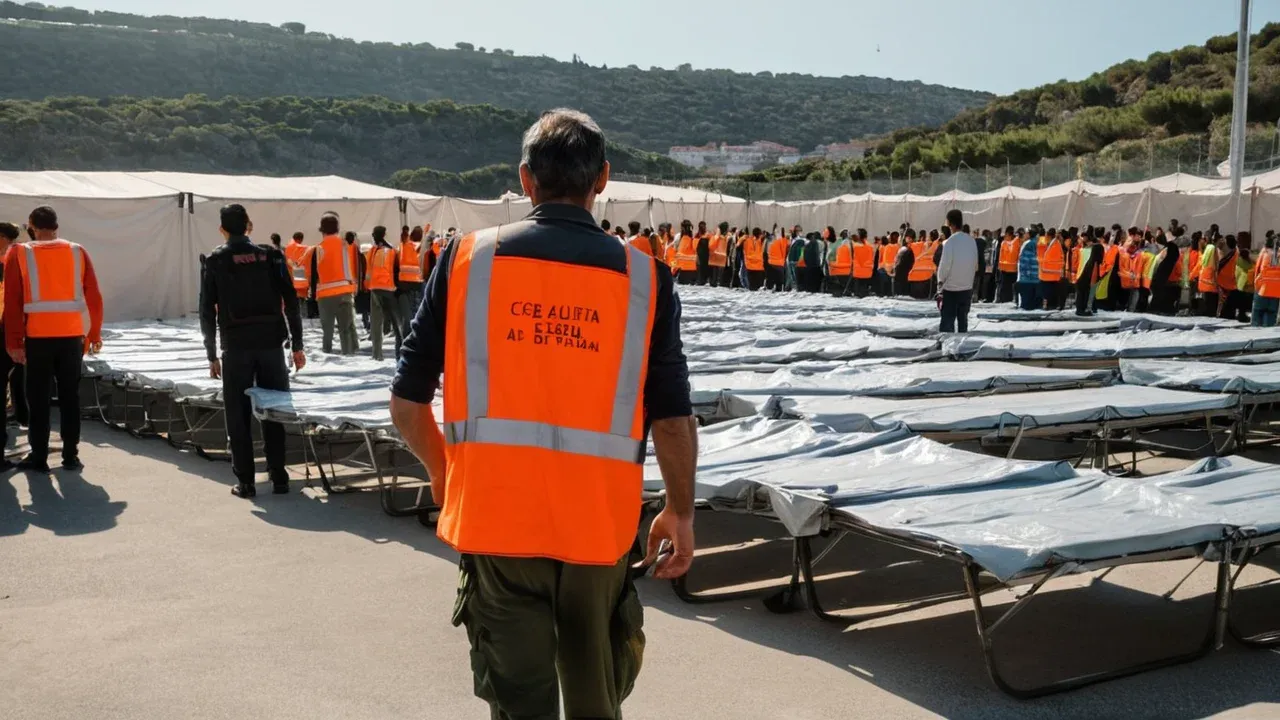
In response to the crisis, Spanish authorities took decisive action by deploying military support to reinforce the border [3]aljazeera.comSpain deploys military to Ceuta after migrant surge: What we knowOpen the source to inspect the supporting evidence.Open source ↗. This move marked a significant escalation in the state’s response to the migrant surge, signaling the severity of the situation and the perceived threat to national security. The deployment included both the Guardia Civil and regular military units, which were tasked with securing the border, managing the influx, and facilitating the return of migrants to Morocco. The presence of military forces on the border is a rare occurrence in Ceuta, typically reserved for extreme emergencies or periods of heightened tension. The deployment of these units was necessary to restore order and prevent further crossings, but it also carried political and diplomatic implications.
The use of military force in border management is a contentious issue, particularly in the context of migration. Critics argue that militarizing the border dehumanizes migrants and exacerbates the humanitarian crisis. Proponents, however, contend that military support is essential for maintaining security and preventing chaos in the face of overwhelming numbers. In the case of Ceuta, the deployment was likely driven by the immediate need to control the situation and prevent further loss of life. The military units played a crucial role in retrieving bodies, securing the perimeter, and coordinating with Moroccan authorities to manage the return of migrants. The effectiveness of this deployment was evident in the subsequent return of a majority of the 60,000 migrants to Morocco, as reported by Spanish authorities [5]forbes.comMost migrants who crossed into Ceuta have returned to Morocco as death toll rises to 34Open the source to inspect the supporting evidence.Open source ↗. However, the process of return was not without controversy, with concerns raised about the conditions under which migrants were repatriated and the potential for future unrest.
The diplomatic fallout from the military deployment was significant. Morocco, which shares a complex relationship with Spain, was likely viewed as a key partner in managing the crisis. The cooperation between Spanish and Moroccan authorities in the return of migrants suggests a level of coordination that may have been facilitated by the severity of the event. However, the deployment also raised questions about the sovereignty of Ceuta and the role of the Spanish state in managing its African territories. The event highlighted the delicate balance between maintaining security and respecting the rights of migrants, a balance that is often difficult to strike in practice. The military response was a necessary step in containing the crisis, but it also underscored the need for long-term solutions to the underlying drivers of migration.
Compass Predictive Analytics

Geopolitical Drivers and Economic Context
The 2026 Ceuta migrant surge did not occur in a vacuum but was driven by a complex interplay of geopolitical and economic factors. Gulf News provided context for the crisis, explaining that the crossing was influenced by broader trends in North Africa and the Middle East. Economic instability, political unrest, and limited opportunities in Morocco and surrounding regions have long been push factors for migration. The surge in Ceuta likely reflected a culmination of these pressures, exacerbated by specific local conditions that made the border more permeable or the journey more feasible. The geopolitical landscape between Spain and Morocco is characterized by a mix of cooperation and tension, with migration being a central point of contention.
The economic drivers of the migration are particularly significant. Ceuta’s status as a free port has historically attracted trade and commerce, but it has also created economic disparities that fuel migration. The proximity of Ceuta to Morocco makes it an attractive destination for those seeking better economic opportunities, but the barriers to legal migration are high. This disconnect between desire and opportunity creates a pressure cooker effect, where migrants are forced to resort to irregular and dangerous means of crossing. The surge in 2026 likely reflected a breaking point in this dynamic, where the costs of staying in the region outweighed the risks of crossing. The analysis by Gulf News suggests that the crisis was a calculated movement driven by rational economic decisions [4]gulfnews.comCeuta Migrant Crisis Explained: Why Thousands Are Crossing from MoroccoOpen the source to inspect the supporting evidence.Open source ↗.
The geopolitical implications of the surge extend beyond the immediate border. The event has the potential to reshape Spain’s migration policy and its relationship with Morocco. Spain may be forced to adopt stricter border controls and more aggressive diplomatic measures to prevent future surges. Morocco, in turn, may leverage its position as a gatekeeper to extract concessions from Spain on other issues, such as trade or security cooperation. The crisis highlights the interconnectedness of European and African politics, where migration flows are a powerful tool in diplomatic negotiations. The 2026 incident serves as a warning that the status quo is unsustainable and that new approaches to migration management are urgently needed.
Compass Predictive Analytics

The Return and Aftermath
The majority of the migrants who crossed into Ceuta were subsequently returned to Morocco, as reported by Spanish authorities [5]forbes.comMost migrants who crossed into Ceuta have returned to Morocco as death toll rises to 34Open the source to inspect the supporting evidence.Open source ↗. This mass return was a critical component of the crisis management strategy, aimed at relieving the pressure on local resources and restoring normalcy to the exclave. The process of return was likely coordinated with Moroccan authorities, who accepted the migrants and managed their reintegration. The speed and efficiency of the return operation were notable, given the scale of the influx and the logistical challenges involved. However, the return also raised ethical and legal questions about the treatment of migrants and the conditions under which they were repatriated.
The aftermath of the crisis has left Ceuta in a state of recovery and reflection. The city has suffered significant damage to its infrastructure and social cohesion, and the psychological impact on both the local population and the migrants is profound. The event has sparked a national debate in Spain about the future of its border policies and the role of autonomous cities in migration management. The crisis has also drawn international attention, with human rights organizations and political actors calling for a more humane and effective approach to migration. The 2026 Ceuta surge serves as a case study in the complexities of border control and the need for comprehensive solutions that address both the symptoms and the causes of migration.
Compass Predictive Analytics
Decisive Conclusion
The 2026 Ceuta migrant surge was a pivotal event that exposed the vulnerabilities of Spain’s northern African frontier and the broader European migration system. The sudden influx of 50,000 to 60,000 people, the high death toll, and the military response underscored the inadequacy of current border management strategies. The crisis represented a geopolitical shock that forced a reevaluation of Spain’s relationship with Morocco and its approach to migration. The return of the majority of migrants to Morocco provided a temporary resolution, but it did not address the underlying drivers of the surge. The event highlights the need for a more integrated and proactive approach to migration, one that combines effective border control with meaningful engagement on economic and political issues in the region. The Ceuta crisis serves as a stark reminder that migration is a reality to be managed, requiring sustained effort and political will. The future of Ceuta and its role in European security will depend on how Spain responds to the lessons of this crisis.
Compass Predictive Analytics