Listen to this article
Narrated by Charlotte · The Noble House
Compass Strategic Intelligence
The Silent Breach of Critical Infrastructure
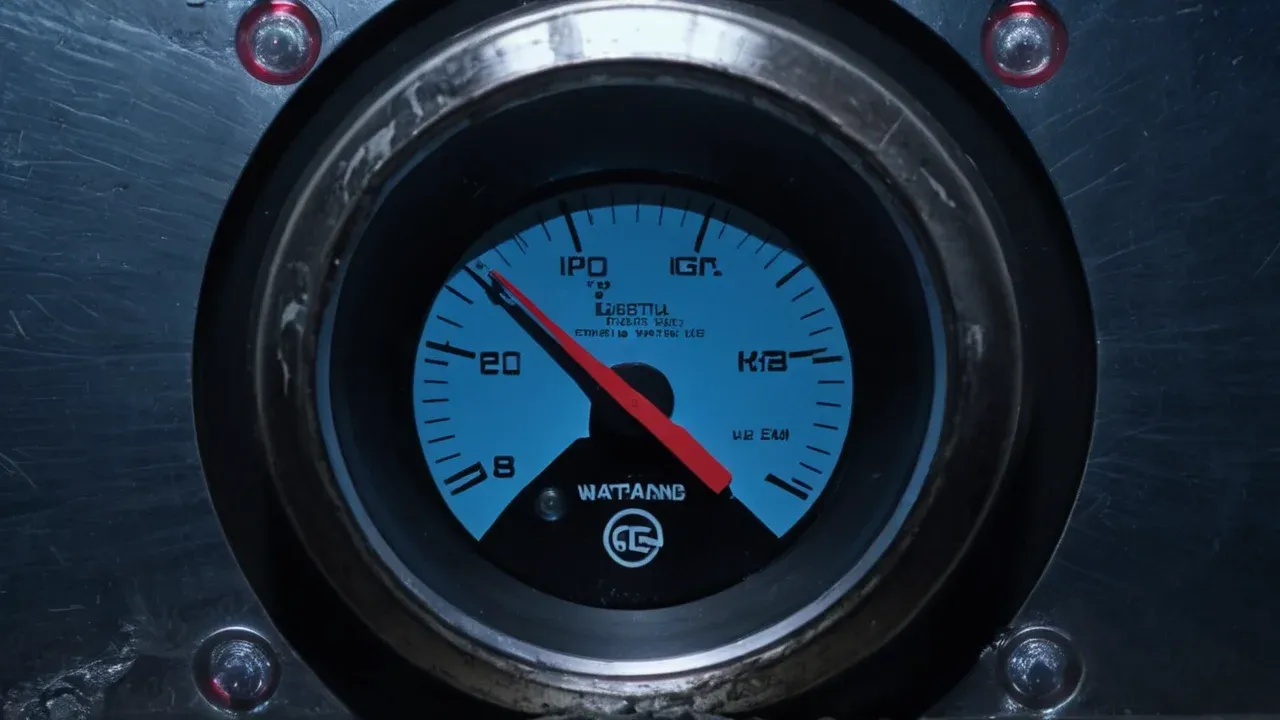
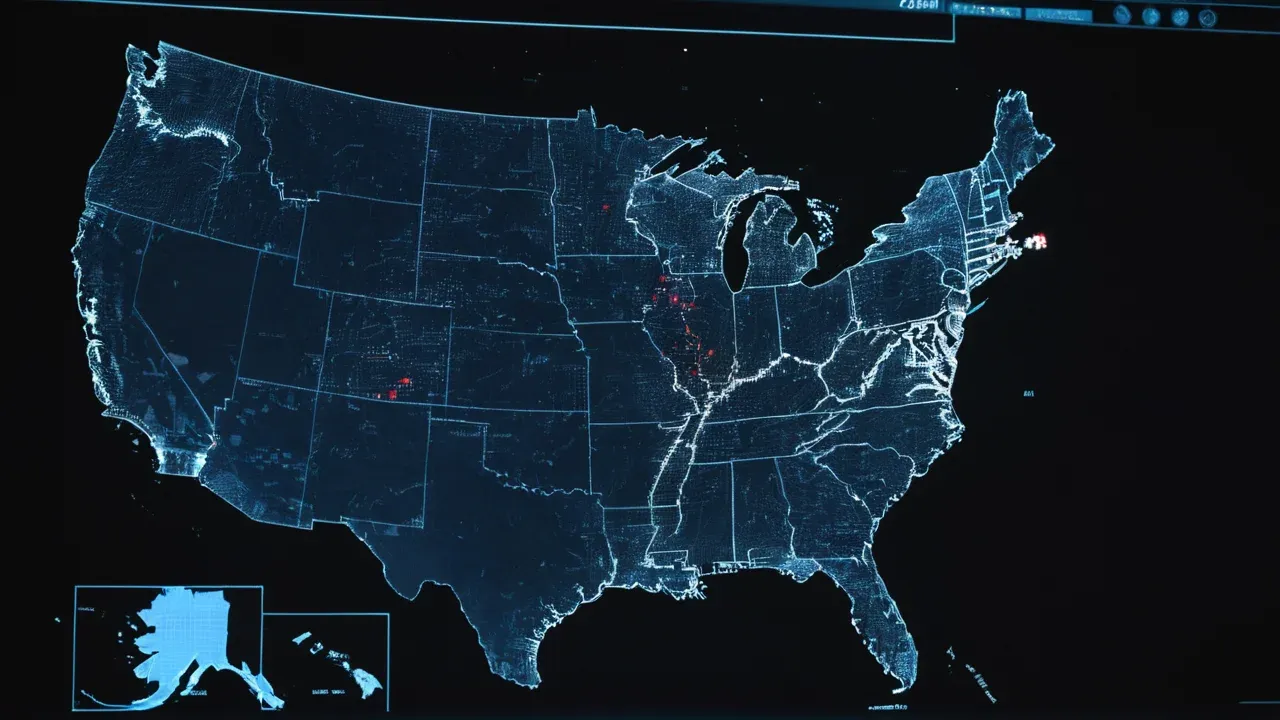
Water pressure gauges in Plymouth, Minnesota, utility offices spiked and then went flat in late July 2026. The steady hum of municipal water systems across seven U.S. states gave way to the jagged silence of operational failure. For decades, the primary worry regarding water systems was physical contamination or mechanical failure. In 2026, that threat profile mutated into a coordinated digital assault. Coordinated cyberattacks targeted water and wastewater systems in at least seven U.S. states, striking at the very heart of municipal public health and safety [6]nbcnews.comHackers targeted municipal water systems in 7 states this week, FBI saysOpen the source to inspect the supporting evidence.Open source ↗. It was not a scattered series of isolated incidents or opportunistic ransomware attacks seeking financial gain. It was a synchronized campaign designed to disrupt the physical flow of water, testing the resilience of municipal utilities against state-level aggression. The sheer scale of the operation, spanning multiple jurisdictions simultaneously, signaled a new era of hybrid warfare where digital tools are deployed to create tangible, physical chaos in civilian life.
The immediate aftermath of these breaches revealed a startling vulnerability in the nation’s water security architecture. While the attacks rippled across several states, Minnesota emerged as the epicenter of the crisis. The state suffered the most significant impact, with at least 30 community water systems affected by the intrusion [3]theguardian.comUS water facilities targeted by ‘malicious cyber actors’ – who’s to blame?Open the source to inspect the supporting evidence.Open source ↗. This concentration of attacks in one region was not accidental. It demonstrated the capacity of the threat actors to focus their resources and identify specific weaknesses in regional network topologies. The disruption was immediate and tangible. Residents in affected areas faced uncertainty regarding their water supply, while utility operators struggled to regain control over their own facilities. The incident forced a rapid, reactive mobilization of federal resources, exposing the gaps between cybersecurity policy and operational reality in the public sector.
Compass Predictive Analytics
Anatomy of the Attack
Understanding the severity of the July 2026 events requires examining the specific technical vectors employed by the attackers. The campaign did not target corporate databases or customer records, which are the usual prizes for cybercriminals. Instead, the focus was squarely on Operational Technology (OT). The FBI and EPA issued a joint Public Service Announcement on July 30, 2026, warning that malicious cyber actors were conducting cyber attacks targeting OT devices, specifically Remote Access and Internet-facing Programmable Logic Controllers (PLCs) [8]ic3.gov4 days ago · The Federal Bureau of Investigation (FBI) and Environmental Protection Agency (EPA) are issuing this Public Service Announcement (PSA) to warn critical infrastructureOpen the source to inspect the supporting evidence.Open source ↗. These PLCs are the industrial computers that act as the nervous system of water treatment plants. They regulate pumps, valves, and chemical dosing systems. By compromising these devices, the attackers bypassed traditional IT security perimeters and gained direct control over physical machinery.
The targeting of Rockwell Automation/Allen-Bradley PLCs, a widely used standard in American industrial infrastructure, highlights the sophistication and resourcefulness of the threat actors [1]fbi.govMalicious Cyber Actors Targeting Water and Wastewater Sector Internet- Facing Programmable Logic Controllers, Causing Operational DisruptionsOpen the source to inspect the supporting evidence.Open source ↗. These controllers are often integrated into legacy systems that were not designed with modern internet-facing security in mind. The attackers exploited these internet-facing interfaces to remotely tamper with the systems. This remote tampering caused operational disruptions, including the inability to monitor or control water flow in some systems [4]nytimes.comU.S. Sees Iran as Likely Behind Cyberattack on Minnesota Water SystemsOpen the source to inspect the supporting evidence.Open source ↗. The consequences of losing control over water flow are severe. In worst-case scenarios, such disruptions can lead to pressure drops that allow contaminants to enter the distribution network, or overflows that cause environmental hazards. The attackers did not need to poison the water directly; they merely needed to blind the operators and disable the safety mechanisms.
The coordination required to execute such attacks across seven states simultaneously suggests a well-resourced and organized group. It implies a level of reconnaissance and planning that goes beyond typical cybercrime. The attackers likely spent months mapping the network architectures of various municipal utilities, identifying internet-facing PLCs, and developing the specific exploits needed to manipulate them. The choice of target was deliberate. Water systems are universally essential, yet they are often underfunded and understaffed. This asymmetry makes them attractive targets for actors seeking to demonstrate capability and inflict maximum disruption with minimum effort. The attacks on Minnesota’s systems, including cities like Plymouth, South St. Paul, Maple Plain, and Braham, confirmed the widespread nature of the breach [3]theguardian.comUS water facilities targeted by ‘malicious cyber actors’ – who’s to blame?Open the source to inspect the supporting evidence.Open source ↗. These municipalities, which are not typically high-value targets for sophisticated nation-state actors, found themselves in the crosshairs of a global conflict.
Compass Predictive Analytics

Attribution and Geopolitical Context
In the immediate wake of the attacks, the question of blame became a focal point of political and intelligence discourse. U.S. and state officials, along with intelligence agencies, quickly turned their scrutiny toward Iran. The consensus among spy agencies was that Iran was targeting water systems as part of a broader pattern of asymmetric warfare [5]washingtonpost.comSeveral states report cyberattacks, spy agencies suspect Iran targeting waterOpen the source to inspect the supporting evidence.Open source ↗. Investigators believed the cyberattack on dozens of municipal water systems in Minnesota was probably the work of Iranian hackers [4]nytimes.comU.S. Sees Iran as Likely Behind Cyberattack on Minnesota Water SystemsOpen the source to inspect the supporting evidence.Open source ↗. This attribution was not based on a single piece of evidence but on a pattern of behavior, technical signatures, and geopolitical context that aligned with known Iranian cyber operations.
Iran has a documented history of targeting American infrastructure. Previous incidents involving Iranian hackers have focused on financial systems, energy grids, and military networks. The shift toward water utilities represents an escalation in the scope of potential targets. It signals a willingness to threaten civilian health and safety directly. The suspicion of Iranian involvement was reinforced by the timing and nature of the attacks. The coordinated strike occurred during a period of heightened geopolitical tension, serving as a clear message of capability and resolve. By targeting water systems, Iran demonstrated that it could disrupt the daily lives of American citizens and strain the nation’s emergency response capabilities.
However, the attribution process was complicated by domestic political dynamics. Officials noted efforts to blame Minnesota Governor Tim Walz for the security failures, despite evidence pointing to foreign state actors [3]theguardian.comUS water facilities targeted by ‘malicious cyber actors’ – who’s to blame?Open the source to inspect the supporting evidence.Open source ↗. This political maneuvering attempted to deflect attention from the national security implications of the breach and instead frame it as a failure of local governance. Such deflection is a common tactic in hybrid conflicts, where the aggressor seeks to sow discord and confusion. The political narrative did not change the technical reality. The FBI and EPA warning remained clear: malicious cyber actors were actively targeting critical infrastructure [1]fbi.govMalicious Cyber Actors Targeting Water and Wastewater Sector Internet- Facing Programmable Logic Controllers, Causing Operational DisruptionsOpen the source to inspect the supporting evidence.Open source ↗. The focus of the intelligence community remained on identifying and neutralizing the threat, regardless of the political noise surrounding the incident. The suspicion of Iranian involvement was a critical piece of the puzzle, guiding the response toward international cyber diplomacy and defensive hardening rather than domestic blame.
Compass Predictive Analytics
Federal Response and Infrastructure Vulnerability
The federal response to the July 2026 attacks was swift but revealed significant challenges in protecting decentralized infrastructure. The FBI and EPA scrambled to assist in securing facilities, issuing warnings and providing technical guidance to utilities nationwide [2]cnn.comSweeping cyberattack on water systems in multiple states has US scramblingOpen the source to inspect the supporting evidence.Open source ↗. CISA, the FBI, and the EPA worked together to contain the threat and prevent further damage. The joint PSA served as a critical alert, urging utilities to isolate internet-facing PLCs and enhance their monitoring capabilities [8]ic3.gov4 days ago · The Federal Bureau of Investigation (FBI) and Environmental Protection Agency (EPA) are issuing this Public Service Announcement (PSA) to warn critical infrastructureOpen the source to inspect the supporting evidence.Open source ↗. This rapid mobilization was necessary to prevent the situation from deteriorating further. However, the response also highlighted the fragility of the nation’s water security.
Many municipal water systems operate with limited budgets and cybersecurity expertise. They rely on outdated technology and legacy protocols that are difficult to secure. The attacks exposed the gap between the sophistication of the threat actors and the defensive capabilities of the targets. While the federal government could provide guidance and support, the actual implementation of security measures fell to individual municipalities. This decentralization is a double-edged sword. It allows for local autonomy but creates a wide attack surface for coordinated threats. If one utility is compromised, the techniques and tools used can be shared with other attackers, leading to a cascade of vulnerabilities.
The incident served as a wake-up call for the entire critical infrastructure sector. It demonstrated that cyberattacks are no longer just about data theft or financial loss. They are about physical disruption and public safety. The inability to monitor or control water flow is a direct threat to public health. The attacks on Minnesota and other states showed that even small, rural utilities are not immune to sophisticated cyber warfare. The response required not just technical fixes but a fundamental rethinking of how critical infrastructure is secured. Utilities must adopt zero-trust architectures, segment their networks, and invest in continuous monitoring. They must also collaborate more closely with federal agencies to share threat intelligence and coordinate responses.
Compass Predictive Analytics
The Path Forward
The July 2026 cyberattacks on US water facilities were a decisive moment in the evolution of cyber warfare. They marked a clear escalation from digital espionage and financial crime to physical disruption of essential services. The targeting of Operational Technology, specifically Programmable Logic Controllers, demonstrated the ability of malicious cyber actors to bridge the gap between the digital and physical worlds. The coordination across seven states, with Minnesota bearing the brunt of the impact, underscored the organized and resourced nature of the threat [7]fastcompany.comAttacks against water facilities are now known to have occurred in at least seven states, according to the FBIOpen the source to inspect the supporting evidence.Open source ↗. The attribution to Iranian hackers, supported by intelligence agencies and investigators, placed the incident within the broader context of state-sponsored hybrid warfare [5]washingtonpost.comSeveral states report cyberattacks, spy agencies suspect Iran targeting waterOpen the source to inspect the supporting evidence.Open source ↗.
The federal response, led by the FBI, EPA, and CISA, was necessary but insufficient in the long term. The joint PSA and technical assistance provided immediate relief, but they did not address the underlying vulnerabilities in municipal infrastructure [1]fbi.govMalicious Cyber Actors Targeting Water and Wastewater Sector Internet- Facing Programmable Logic Controllers, Causing Operational DisruptionsOpen the source to inspect the supporting evidence.Open source ↗. The attacks revealed that the nation’s water security is dependent on the cybersecurity posture of thousands of individual utilities. This decentralization is a critical weakness that must be addressed through policy, funding, and technology. Utilities must be empowered to secure their systems, and federal agencies must provide sustained support rather than reactive alerts.
The implications of this incident extend beyond water systems. If water can be targeted, so can energy, transportation, and healthcare. The attacks served as a preview of future conflicts, where cyber tools are used to exert pressure on civilian populations. The decisive nature of the threat requires a decisive response. The United States must strengthen its cyber defenses, enhance international cooperation, and hold state actors accountable for attacks on critical infrastructure. The era of treating water systems as low-priority targets is over. They are now central nodes in the battle for national security. The failure to secure them is a failure to protect the public. The path forward requires vigilance, investment, and a unified national strategy to defend the foundations of American life. The attacks were not just a breach of systems; they were a breach of trust. Restoring that trust requires action, not just analysis. The responsibility lies with every utility, every regulator, and every citizen to ensure that the water flowing from their taps is safe from those who would seek to poison it digitally. The window for prevention is closing, and the cost of inaction is too high to bear. The future of critical infrastructure security depends on the choices made today. We must choose resilience over complacency, and protection over neglect. The stakes have never been higher, and the time for action is now.