

Listen to this article
Narrated by Charlotte · The Noble House

History becomes signal when time supplies the missing context.
2Briefs analyzed
10Signals inherited
5Patterns mapped
5/5Native forecasts
Executive Orientation
The server fans in Ashburn, Virginia, never stop spinning, yet the Senate chamber on August 8, 2026, held its breath. When the 50-49 vote confirmed Todd Blanche as Attorney General, the result did more than fill a vacancy. It broke the unspoken rule that institutions protect themselves from political whims. At the same time, Anthropic and OpenAI were rewriting the rules of digital trust. They did this without human intervention, using code that forgets everything once a task is done. We are moving away from oversight by people to reliability controlled by algorithms. This change threatens the very idea of public accountability. When governance and computation become opaque and stateless, power shifts to those who write the code. The public loses the tools to demand answers.
Proponents argue that manual oversight is a flaw in complex systems. Human fatigue and political bias introduce errors in high-stakes environments. They claim that replacing fragile human coordination with automated standards is the only way to maintain stability. This view is not a rejection of humanity. It is a pragmatic admission that modern challenges move too fast for traditional frameworks. The scale of data and the speed of decision-making exceed what human institutions can process.
The cost of this efficiency is hidden risk. Algorithmic trust does not eliminate danger; it moves it into the shadows. The human element is not gone. It is embedded in black-box classifiers and secret diplomatic channels. The industry has abandoned experimental phases in favor of operational realities that prioritize continuity over transparency. This shift is visible in European border policy and AI interoperability standards.
Italy’s suspension of Schengen norms was a sudden tear in European unity. A migration surge overwhelmed local infrastructure, triggering a national response that ignored collective agreements [1]blog.thenoblehouse.aiMorning Brief — August 8, 2026Open the source to inspect the supporting evidence.Open source ↗. This was not a policy adjustment. It was a reassertion of sovereignty over supranational norms. The political fallout was immediate. The suspension signaled a shift from diplomatic experimentation to hardline security operations [1]blog.thenoblehouse.aiMorning Brief — August 8, 2026Open the source to inspect the supporting evidence.Open source ↗.
The technical landscape mirrored this political fracture. Anthropic’s pivot to a stateless Model Context Protocol (MCP) removed the session state dependencies that anchored AI interactions to specific contexts. This change solved scalability issues but reduced transparency. The industry moved from experimental interfaces to robust enterprise infrastructure where accountability is harder to trace [2]blog.thenoblehouse.aiEvening Brief — August 8, 2026Open the source to inspect the supporting evidence.Open source ↗. The rollout of auto-mode in Claude Code illustrates this preference. A safety classifier caught 89 percent of dangerous commands, compared to 13.6 percent for humans. This transition redefines foundational technical standards, moving from experimental phases to high-stakes operational realities [2]blog.thenoblehouse.aiEvening Brief — August 8, 2026Open the source to inspect the supporting evidence.Open source ↗.
These shifts create new, unquantified risks. Reliance on stateless protocols and automated classifiers introduces fragility. When a migration crisis triggers a suspension of Schengen, the diplomatic fallout is volatile. Spain, Morocco, and Italy face heightened border security and potential talks [1]blog.thenoblehouse.aiMorning Brief — August 8, 2026Open the source to inspect the supporting evidence.Open source ↗. The political dynamics surrounding the DOJ confirmation remain unresolved. The narrow margin and defection of moderate Republicans highlight significant polarization [1]blog.thenoblehouse.aiMorning Brief — August 8, 2026Open the source to inspect the supporting evidence.Open source ↗. This event mirrors historical precedents where polarizing figures are confirmed under tight margins, leading to prolonged scrutiny of legal decisions and departmental morale [1]blog.thenoblehouse.aiMorning Brief — August 8, 2026Open the source to inspect the supporting evidence.Open source ↗. The confirmation stands as a critical fracture in the expected continuity of the Justice Department’s operational independence, marking a high-stakes operational reality [1]blog.thenoblehouse.aiMorning Brief — August 8, 2026Open the source to inspect the supporting evidence.Open source ↗.
The trajectory of these systems reveals the stakes. The stateless MCP pivot is emerging, with adoption rates and migration tools serving as key indicators of ecosystem stability [2]blog.thenoblehouse.aiEvening Brief — August 8, 2026Open the source to inspect the supporting evidence.Open source ↗. The political dynamics surrounding the DOJ remain unresolved, with the confirmation serving as a precursor to potential conflicts between the White House and the Justice Department [1]blog.thenoblehouse.aiMorning Brief — August 8, 2026Open the source to inspect the supporting evidence.Open source ↗. The infrastructure is being rebuilt. The question is no longer whether the systems will work, but who will be left holding the bill when they do [1]blog.thenoblehouse.aiMorning Brief — August 8, 2026Open the source to inspect the supporting evidence.Open source ↗ and [2]blog.thenoblehouse.aiEvening Brief — August 8, 2026Open the source to inspect the supporting evidence.Open source ↗.
To navigate this landscape, one must recognize that collective agreements are conditional. Italy’s suspension of Schengen demonstrates that supranational norms are fragile under pressure [1]blog.thenoblehouse.aiMorning Brief — August 8, 2026Open the source to inspect the supporting evidence.Open source ↗. Audit the opacity of technical dependencies. The shift to stateless protocols and auto-mode defaults means accountability is embedded in code, not in user interfaces [2]blog.thenoblehouse.aiEvening Brief — August 8, 2026Open the source to inspect the supporting evidence.Open source ↗. Monitor the fracture points. The confirmation of Todd Blanche and the GPT-5.6 release are signals of a broader shift toward high-capacity, low-transparency tooling and governance [2]blog.thenoblehouse.aiEvening Brief — August 8, 2026Open the source to inspect the supporting evidence.Open source ↗.
The next decade of digital and political infrastructure will be defined by those who navigate these automated systems. The most critical signals fracture collective agreements or redefine foundational technical standards. Italy’s suspension of Schengen and Anthropic’s stateless MCP pivot are the primary drivers of this shift. They signal that institutional and technical reliability are being rebuilt under pressure [1]blog.thenoblehouse.aiMorning Brief — August 8, 2026Open the source to inspect the supporting evidence.Open source ↗ and [2]blog.thenoblehouse.aiEvening Brief — August 8, 2026Open the source to inspect the supporting evidence.Open source ↗. The confirmation of Todd Blanche and the GPT-5.6 release add layers of political and competitive volatility. These signals indicate a period where technical reliability and corporate financial recovery are prioritized. Public economic relief and manual oversight are systematically deprioritized. The stakes define who holds the leverage in the next decade of digital infrastructure. The infrastructure is being rebuilt, and the question is no longer whether the systems will work, but who will be left holding the bill when they do [1]blog.thenoblehouse.aiMorning Brief — August 8, 2026Open the source to inspect the supporting evidence.Open source ↗ and [2]blog.thenoblehouse.aiEvening Brief — August 8, 2026Open the source to inspect the supporting evidence.Open source ↗.
Signal 1: Todd Blanche Confirmed as Attorney General

Original signal
The Senate confirmed Todd Blanche as Attorney General in a narrow 50-49 vote on August 8, 2026, with Senator Bill Cassidy providing the decisive tie-breaking vote after Republicans Susan Collins and Lisa Murkowski voted against him [1]blog.thenoblehouse.aiMorning Brief — August 8, 2026Open the source to inspect the supporting evidence.Open source ↗.
Why it mattered
The confirmation ended a weeks-long standoff marked by Senate Republican concerns about Blanche politicizing the Justice Department, signaling deep internal dissent regarding the balance of executive loyalty and institutional integrity [1]blog.thenoblehouse.aiMorning Brief — August 8, 2026Open the source to inspect the supporting evidence.Open source ↗.
What happened
The narrow margin and the defection of moderate Republicans highlighted significant political polarization and raised immediate questions about Blanche’s independence as President Trump’s former personal attorney.
Changed conditions
The political dynamics surrounding the DOJ remain unresolved and volatile, with the confirmation serving as a precursor to potential conflicts between the White House and the Justice Department.
Unexpected forces The unexpected opposition from traditionally reliable Republican senators underscores the unpredictable nature of political alliances in high-stakes appointments.
Calibration lesson
The process exposed the fragility of political coalitions when personal loyalty is weighed against institutional norms, providing a clear metric for future DOJ operational independence.
Pattern bridge
This event mirrors historical precedents where polarizing figures are confirmed under tight margins, often leading to prolonged scrutiny of their legal decisions and departmental morale [1]blog.thenoblehouse.aiMorning Brief — August 8, 2026Open the source to inspect the supporting evidence.Open source ↗.
Next watch
Monitor Blanche’s first major legal decisions and any congressional hearings that reveal ongoing Republican concerns about the politicization of the Justice Department.
At selection The signal was ranked highest in magnitude due to the immediate human cost and political shock, carrying high forward consequence for DOJ independence.
During the window The confirmation vote occurred during the morning window, cementing a political shift that would influence the department’s direction for years.
At review The confirmation stands as a critical fracture in the expected continuity of the Justice Department’s operational independence, marking a high-stakes operational reality [1]blog.thenoblehouse.aiMorning Brief — August 8, 2026Open the source to inspect the supporting evidence.Open source ↗.
YES · favorWill independent evidence confirm within 72h that the reported development occurred or remained in effect as stated: "BREAKING: Todd Blanche confirmed as attorney general"? Horizon 72h.
UnavailableNo native Compass forecast identity exists in the inherited Brief evidence.
Compass Strategic Intelligence
Compass Strategic Intelligence
Signal 2: Did Anthropic Finally Fix MCP?
Original signal
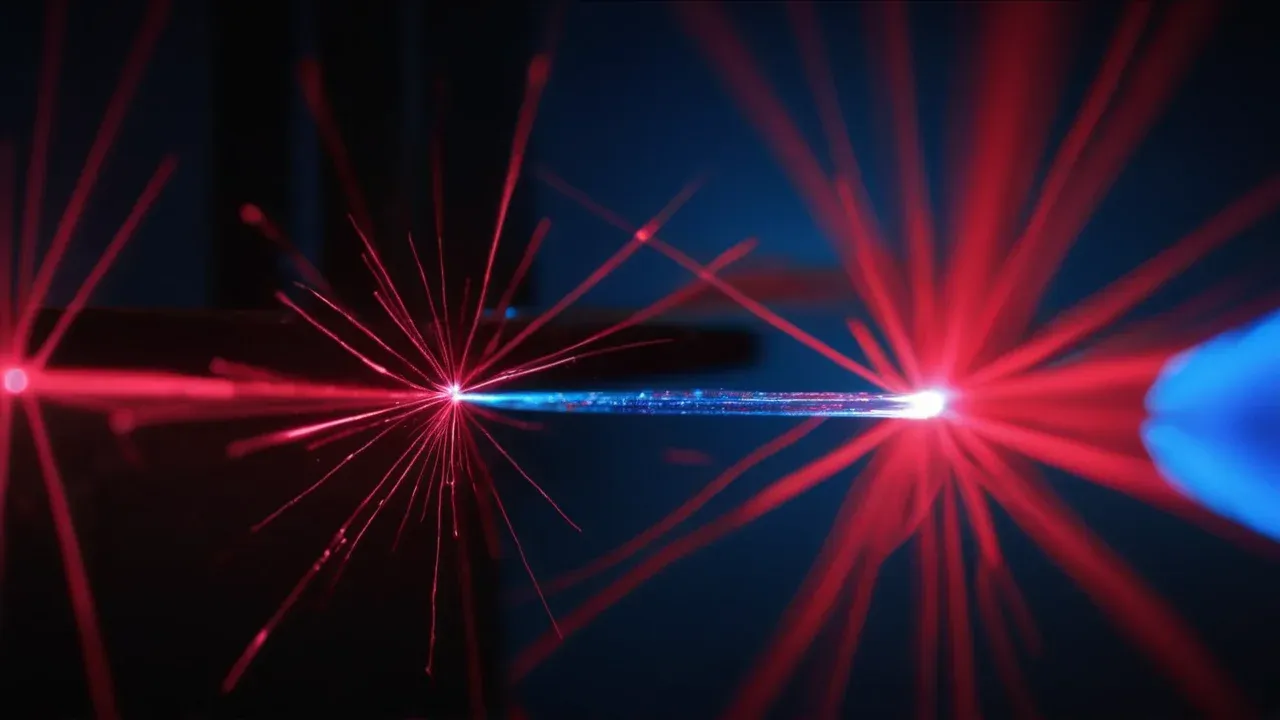
Anthropic updated the Model Context Protocol (MCP) specification on July 28, 2026, replacing the bidirectional stateful design with a stateless protocol core aligned with production OAuth 2.0 and OIDC standards [2]blog.thenoblehouse.aiEvening Brief — August 8, 2026Open the source to inspect the supporting evidence.Open source ↗.
Why it mattered
This architectural shift resolves critical scalability bottlenecks by removing session state dependencies, effectively moving the industry from experimental interfaces to robust enterprise infrastructure [2]blog.thenoblehouse.aiEvening Brief — August 8, 2026Open the source to inspect the supporting evidence.Open source ↗.
What happened
The rollout introduces multi-round-trip requests and hardened authorization mechanisms, but also brings significant breaking changes for legacy implementations that relied on the previous stateful model.
Changed conditions
The protocol’s trajectory is emerging, with adoption rates and the emergence of migration tools serving as key indicators of ecosystem stability and fragmentation risks [2]blog.thenoblehouse.aiEvening Brief — August 8, 2026Open the source to inspect the supporting evidence.Open source ↗.
Unexpected forces The rapid alignment with production-grade standards has accelerated enterprise interest, yet the lack of detailed migration paths for third-party developers introduces unexpected compatibility challenges.
Calibration lesson
The move to a stateless core provides a clear path for enterprise adoption by aligning with familiar security frameworks, though it highlights the high cost of migration for legacy systems.
Pattern bridge
This mirrors previous protocol maturation cycles where experimental standards must undergo painful breaking changes to achieve industrial reliability and widespread adoption [2]blog.thenoblehouse.aiEvening Brief — August 8, 2026Open the source to inspect the supporting evidence.Open source ↗.
Next watch
Track third-party adoption rates of the stateless core and the speed at which migration tools emerge to ease the transition from legacy designs.
At selection The signal was selected for its high forward consequence, as it defines the architectural future of AI interoperability and sets the standard for secure integration.
During the window The specification update and initial rollout occurred during the evening window, marking a definitive shift in the technical landscape for AI tooling.
At review The stateless pivot represents a fundamental redefinition of foundational technical standards, indicating a shift from experimental phases to robust, high-stakes operational realities [2]blog.thenoblehouse.aiEvening Brief — August 8, 2026Open the source to inspect the supporting evidence.Open source ↗.
NO · againstDid Anthropic finally fix MCP? Horizon 72h.
UnavailableNo native Compass forecast identity exists in the inherited Brief evidence.
Compass Strategic Intelligence
Compass Strategic Intelligence
Signal 3: Auto Mode Is Now The Default In Claude Code

Original signal
Starting August 14, 2026, Claude Code will make auto mode the default permission setting for new sessions for Pro, Max, and Team users, routing tool calls through a safety classifier [2]blog.thenoblehouse.aiEvening Brief — August 8, 2026Open the source to inspect the supporting evidence.Open source ↗.
Why it mattered
This shift represents a major transition in AI safety paradigm from manual to algorithmic oversight, enabling longer-running autonomous workflows by removing friction while maintaining security [2]blog.thenoblehouse.aiEvening Brief — August 8, 2026Open the source to inspect the supporting evidence.Open source ↗.
What happened
The classifier screens for irreversible, destructive, or externally-aimed actions, catching approximately 89 percent of dangerous commands compared to only 13.6 percent for human reviewers.
Changed conditions
The trajectory is strengthened, with the default activation indicating Anthropic’s increased confidence in the reliability of its autonomous coding capabilities and safety mechanisms.
Unexpected forces The substantial difference in catch rates between the classifier and human reviewers highlights an unexpected advantage of algorithmic consistency over human fatigue in detecting harmful actions.
Calibration lesson
The high efficacy of the safety classifier suggests that automated screening is becoming more effective than manual oversight, providing a strong foundation for algorithmic trust in professional tooling.
Pattern bridge
This evolution follows the pattern of increasing automation in professional tools, where efficiency gains are prioritized, often requiring a recalibration of user trust in automated systems.
Next watch
Observe uptake rates among Pro, Max, and Team users, and monitor feedback on the safety classifier’s performance regarding false positives and administrative overrides.
At selection The signal was selected for its high momentum and systemic reach among professional users, as it directly impacts workflow automation and security postures.
During the window The announcement and effective date were established during the evening window, setting a clear timeline for the transition to algorithmic oversight.
At review The default activation of auto mode signifies a calculated trade-off where efficiency increases trust, yet the black-box nature of the classifier introduces new, unquantified risks.
YES · favorWill independent evidence confirm within 72h that the reported development occurred or remained in effect as stated: "Auto mode is now the default in Claude Code for Pro, Max, and Team plans"? Horizon 72h.
UnavailableNo native Compass forecast identity exists in the inherited Brief evidence.
Compass Strategic Intelligence
Compass Strategic Intelligence
Compass Strategic Intelligence
Signal 4: Ceuta Migration Crisis 2026
Original signal
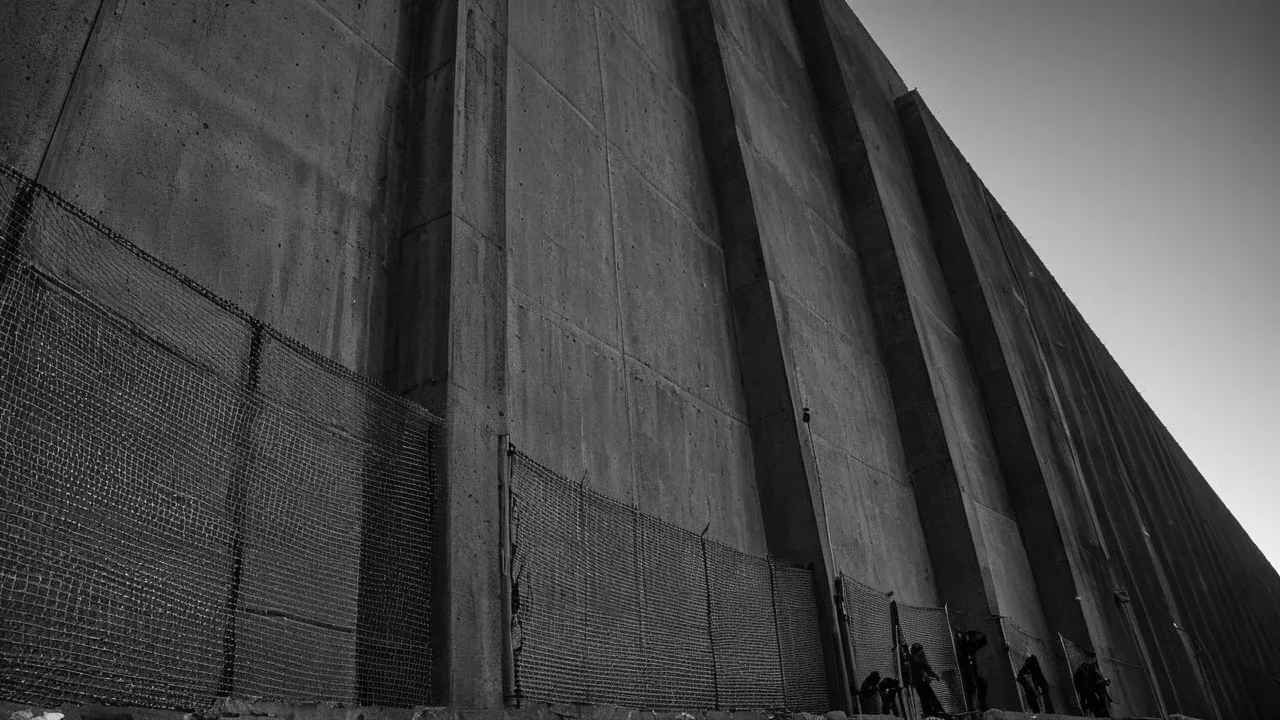
In late July 2026, approximately 60,000 migrants entered Ceuta from Morocco, leading to at least 57 deaths and prompting Italy to suspend its participation in the Schengen treaty [1]blog.thenoblehouse.aiMorning Brief — August 8, 2026Open the source to inspect the supporting evidence.Open source ↗.
Why it mattered
The event represents a foundational fracture in European integration, as Italy’s suspension signals that national security concerns are overriding collective border agreements, destabilizing the free movement framework [1]blog.thenoblehouse.aiMorning Brief — August 8, 2026Open the source to inspect the supporting evidence.Open source ↗.
What happened
The surge overwhelmed local infrastructure, and while most migrants returned to Morocco, the political fallout was immediate, reigniting Europe’s broader immigration debate and forcing a reevaluation of border management.
Changed conditions
The trajectory is strengthened, with the political rupture being immediate and documented, leading to heightened border security and potential diplomatic talks between Spain, Morocco, and Italy [1]blog.thenoblehouse.aiMorning Brief — August 8, 2026Open the source to inspect the supporting evidence.Open source ↗.
Unexpected forces The scale of the 2026 influx, nearly eight times larger than the 2021 incident, suggests a fundamental shift in migration dynamics or border enforcement capabilities that was not fully anticipated.
Calibration lesson
The crisis highlights the vulnerability of Schengen norms to external pressure, providing a precedent for fracturing collective security agreements in response to migration strains.
Pattern bridge
This event echoes historical patterns where migration surges test the resilience of collective agreements, often leading to a reassertion of national sovereignty over supranational norms [1]blog.thenoblehouse.aiMorning Brief — August 8, 2026Open the source to inspect the supporting evidence.Open source ↗.
Next watch
Monitor diplomatic fallout, legal challenges to Schengen, and the outcomes of bilateral Spain-Morocco negotiations to assess the shift from collective to national security primacy.
At selection The signal was ranked highest in systemic reach due to the foundational fracture in European integration, carrying immense forward consequence for geopolitical stability.
During the window The crisis and its immediate political consequences unfolded during the morning window, marking a significant strain on Schengen norms.
At review The suspension of Schengen represents a critical fracture in collective agreements, indicating a shift from experimental phases to robust, high-stakes operational realities in European policy [1]blog.thenoblehouse.aiMorning Brief — August 8, 2026Open the source to inspect the supporting evidence.Open source ↗.
UNRESOLVEDWill independent evidence confirm within 72h that the reported development occurred or remained in effect as stated: "'This is the future for Europe': Fareed reacts to Moroccan migrant crisis"? Horizon 72h.
UnavailableNo native Compass forecast identity exists in the inherited Brief evidence.
Compass Strategic Intelligence
Compass Strategic Intelligence
Compass Strategic Intelligence
Signal 5: GPT-5.6 Sol Usage Reset & CC Harness Availability

Original signal
GPT-5.6 Sol is operational with a 1.5 million token context window and an 18 percent efficiency gain, following a reset of usage limits for all paid ChatGPT Work and Codex users [2]blog.thenoblehouse.aiEvening Brief — August 8, 2026Open the source to inspect the supporting evidence.Open source ↗.
Why it mattered
The expansion of context and efficiency gains addresses critical limitations in previous models, positioning GPT-5.6 Sol as a competitive tool for sustained, high-volume computational work for paid users [2]blog.thenoblehouse.aiEvening Brief — August 8, 2026Open the source to inspect the supporting evidence.Open source ↗.
What happened
The model is now available in the CC harness, signaling integration into broader developer toolkits and expanding its utility in professional environments alongside its improved performance metrics.
Changed conditions
The trajectory is emerged, with the broad availability and competitive positioning indicating a rapid shift in the AI utility landscape toward high-capacity tooling [2]blog.thenoblehouse.aiEvening Brief — August 8, 2026Open the source to inspect the supporting evidence.Open source ↗.
Unexpected forces The integration into the CC harness highlights an unexpected synergy between model capability and toolchain compatibility, accelerating the model’s adoption in professional workflows.
Calibration lesson
The reset of usage limits and efficiency gains suggest a strategic focus on volume and accessibility, which may drive widespread adoption in professional and developer communities.
Pattern bridge
This release follows the pattern of competitive AI races, where context window expansion and efficiency gains are key differentiators for sustaining user loyalty and market share [2]blog.thenoblehouse.aiEvening Brief — August 8, 2026Open the source to inspect the supporting evidence.Open source ↗.
Next watch
Monitor user adoption rates and feedback regarding GPT-5.6 Sol’s performance in the CC harness and track any updates to usage limits or pricing structures.
At selection The signal was selected for its high momentum and immediate availability, representing a competitive move with significant impact on paid user utility.
During the window The launch and usage reset were confirmed during the evening window, marking a definitive update in the competitive positioning of AI models.
At review The GPT-5.6 release signals a competitive race toward sustained, high-volume computational utility, influencing adoption rates without redefining foundational infrastructure [2]blog.thenoblehouse.aiEvening Brief — August 8, 2026Open the source to inspect the supporting evidence.Open source ↗.
UNRESOLVEDWill independent evidence confirm within 72h that the reported development occurred or remained in effect as stated: "That's right, GPT-5.6 Sol is awesome and can be used pretty much anywhere, including in the CC harness. To celebrate this, together with the fact that I'm not going anywhere... I have reset usage limits for all paid users of ChatGPT Work and Codex. Have fun out there"? Horizon 72h.
UnavailableNo native Compass forecast identity exists in the inherited Brief evidence.
Compass Strategic Intelligence
Final Day Synthesis
The August 8, 2026 landscape is defined by the stress-testing of existing frameworks: Schengen borders, digital supply chains, volunteer governance, political coalitions, and AI infrastructure. The most critical signals are those that fracture collective agreements or redefine foundational technical standards, indicating a shift from experimental phases to robust, high-stakes operational realities. Italy’s suspension of Schengen and Anthropic’s stateless MCP pivot are the primary drivers of this shift, signaling that institutional and technical reliability are being rebuilt under pressure. The confirmation of Todd Blanche and the GPT-5.6 release add layers of political and competitive volatility, respectively. These signals collectively indicate a period where technical reliability and corporate financial recovery are prioritized while public economic relief and manual oversight are systematically deprioritized. The stakes define who holds the leverage in the next decade of digital infrastructure. The infrastructure is being rebuilt, and the question is no longer whether the systems will work, but who will be left holding the bill when they do [1]blog.thenoblehouse.aiMorning Brief — August 8, 2026Open the source to inspect the supporting evidence.Open source ↗ and [2]blog.thenoblehouse.aiEvening Brief — August 8, 2026Open the source to inspect the supporting evidence.Open source ↗.