

Listen to this article
Narrated by Charlotte · The Noble House

Quantifying the Thermal Breach
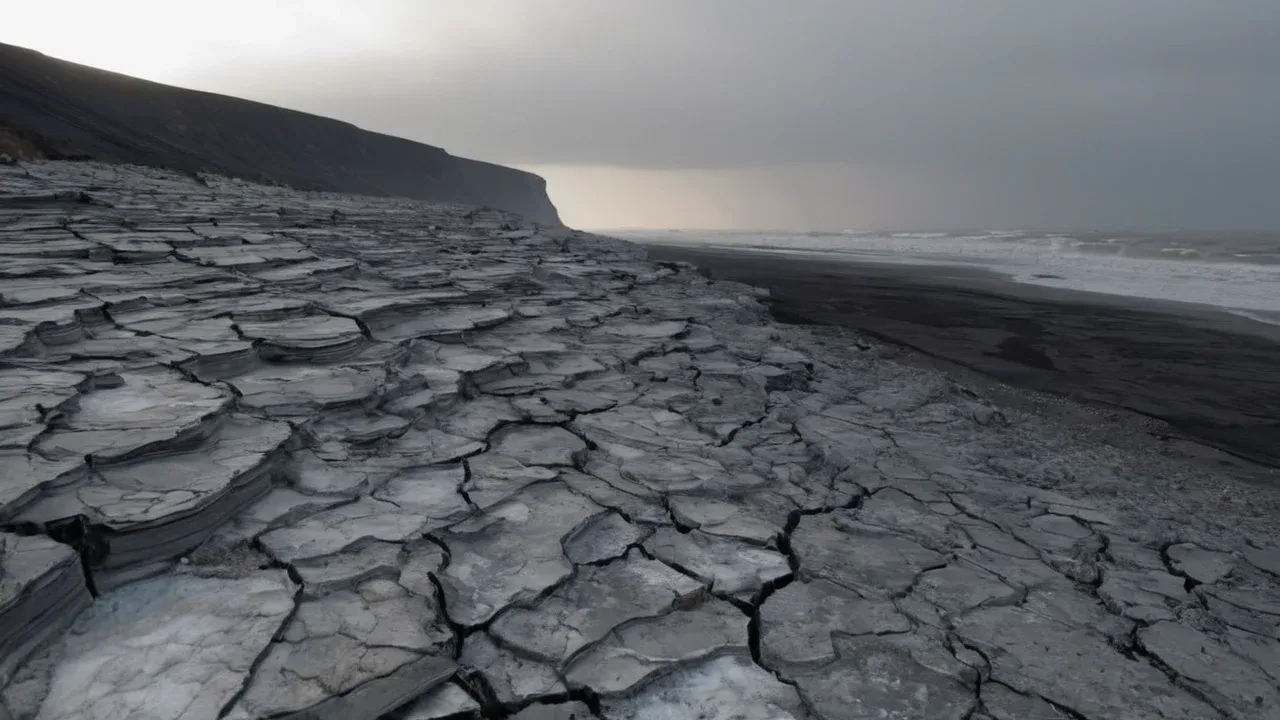
Salt crusts and the bleached skeletons of kelp forests marked the Mediterranean shoreline in late July 2026, revealing a water column that had lost its familiar turquoise clarity. The ocean surface temperature for that month shattered previous records, signaling a rapid acceleration in the planet's heat uptake [1]news.cgtn.comGlobal ocean temperatures hit record July high as El Nino developsOpen the source to inspect the supporting evidence.Open source ↗. This anomaly threatens the foundation of the global food web and destabilizes the atmospheric circulation patterns that regulate weather for billions of people.
Measurements from the European Union’s Copernicus Climate Change Service indicate that the average sea surface temperature across extra-polar oceans, defined as the area between 60 degrees south and 60 degrees north, reached 20.96 degrees Celsius [1]news.cgtn.comGlobal ocean temperatures hit record July high as El Nino developsOpen the source to inspect the supporting evidence.Open source ↗. Multiple independent monitoring efforts confirm that global oceans outside polar regions were record warm in July 2026 [7]downtoearth.org.inGlobal oceans outside polar regions were record warm in July 2026Open the source to inspect the supporting evidence.Open source ↗. When distinct scientific bodies converge on the same extreme metric, the anomaly transitions from a question of measurement error to a fact of physical reality.
The previous high set in July 2023 was exceeded, demonstrating that the planet is actively climbing toward higher thermal states rather than fluctuating around a new mean [3]eureporter.coCopernicus: Highest July global ocean surface temperatures as exceptionally hot, dry conditions fuel wildfires in EuropeOpen the source to inspect the supporting evidence.Open source ↗. The world’s seas were hotter in July 2026 than in any previous July on record [4]theguardian.comWorld’s seas have hit hottest temperature on record for July, say scientistsOpen the source to inspect the supporting evidence.Open source ↗. This progression suggests the ocean’s capacity to absorb excess heat is being tested, with potential feedback loops that could further amplify atmospheric warming. The continuity of this heating trend is particularly alarming. The world's oceans hit record-high temperatures for a second consecutive month, following a record-breaking June [4]theguardian.comWorld’s seas have hit hottest temperature on record for July, say scientistsOpen the source to inspect the supporting evidence.Open source ↗. This back-to-back record setting demonstrates that the thermal stress on the ocean system is not transient but sustained.
The convergence of a developing El Niño and baseline climate change has pushed global ocean temperatures to unprecedented levels for mid-year [1]news.cgtn.comGlobal ocean temperatures hit record July high as El Nino developsOpen the source to inspect the supporting evidence.Open source ↗[6]scientificamerican.comWorld ocean temperatures hit extreme new record for JulyOpen the source to inspect the supporting evidence.Open source ↗. The specific anomaly in the Atlantic and Mediterranean suggests regional ecological stress, particularly for marine life and coastal communities [3]eureporter.coCopernicus: Highest July global ocean surface temperatures as exceptionally hot, dry conditions fuel wildfires in EuropeOpen the source to inspect the supporting evidence.Open source ↗. The correlation with Western European terrestrial heatwaves highlights the coupled nature of the current climate crisis [5]phys.orgWestern Europe experienced hottest June-July on record: EU monitorOpen the source to inspect the supporting evidence.Open source ↗. The ocean is changing the air above it.
Compass Predictive Analytics

The Drivers of Anomalous Warming
Developing El Niño conditions in the equatorial Pacific serve as the primary driver of these record temperatures. El Niño is a natural climate pattern involving the warming of sea surface temperatures in the central and eastern tropical Pacific Ocean. During this phase, heat stored in the ocean is released into the atmosphere, influencing weather patterns globally. The European Union's Copernicus Climate Change Service reported that these developing conditions helped drive exceptionally warm waters across the tropical Pacific [1]news.cgtn.comGlobal ocean temperatures hit record July high as El Nino developsOpen the source to inspect the supporting evidence.Open source ↗. This natural phenomenon acts as a multiplier, exacerbating the underlying trend of global warming caused by greenhouse gas emissions.
The interaction between natural climate cycles and human-induced climate change is complex. While El Niño events occur periodically, their impact is intensified in a warmer world. The baseline temperature of the oceans is higher than in previous decades, meaning that even a moderate El Niño can push temperatures to record highs. The report from Copernicus indicates that the highest sea surface temperature ever recorded for July across the extra-polar oceans was partly fuelled by these developing El Niño conditions [3]eureporter.coCopernicus: Highest July global ocean surface temperatures as exceptionally hot, dry conditions fuel wildfires in EuropeOpen the source to inspect the supporting evidence.Open source ↗. This attribution clarifies that while natural variability plays a role, it operates within a context of anthropogenic warming.
The geographical distribution of the heat provides further insight into the dynamics of this event. Severe marine heatwaves affected the Atlantic coast and western Mediterranean, regions that are sensitive to atmospheric and oceanic shifts [6]scientificamerican.comWorld ocean temperatures hit extreme new record for JulyOpen the source to inspect the supporting evidence.Open source ↗. These heatwaves are not uniform but concentrated in specific areas where ocean currents and atmospheric pressure systems converge. The EU’s Copernicus climate change service found that sea surface temperatures hit record highs for July on the Atlantic coast and western Mediterranean [8]irishtimes.comWorld's seas hit hottest temperature on record for July say scientistsOpen the source to inspect the supporting evidence.Open source ↗. This regional concentration suggests that local ecological systems are under immediate threat, with potential for mass mortality events among marine species that cannot migrate quickly enough to escape the heat.
The role of the Pacific Ocean as a thermal reservoir is critical to understanding the global impact. The warming in the equatorial Pacific influences weather patterns across the globe, from droughts in Australia and Indonesia to heavy rainfall in the Americas. The developing El Niño conditions in July 2026 are part of a larger cycle that will continue to influence global climate for months to come. The report from CGTN notes that global ocean surface temperatures reached a record high for July as developing El Niño conditions helped drive exceptionally warm waters across the tropical Pacific [1]news.cgtn.comGlobal ocean temperatures hit record July high as El Nino developsOpen the source to inspect the supporting evidence.Open source ↗. This connection underscores the interconnectedness of global climate systems and the difficulty of isolating regional causes from global effects.
Compass Predictive Analytics

Terrestrial Impacts and Coupled Crises
The heating of the oceans is not an isolated event but is intimately linked to terrestrial weather extremes. The correlation between marine heatwaves and atmospheric conditions is evident in the experience of Western Europe. The region experienced its hottest June-July on record, contributing to historic summer heat, drought, and wildfires [5]phys.orgWestern Europe experienced hottest June-July on record: EU monitorOpen the source to inspect the supporting evidence.Open source ↗. This terrestrial crisis is fueled by the same climatic forces that are warming the oceans, creating a coupled crisis where land and sea heat each other in a vicious cycle.
Prolonged hot and dry conditions in western Europe led to the spread and intensification of extreme wildfires in July 2026 [3]eureporter.coCopernicus: Highest July global ocean surface temperatures as exceptionally hot, dry conditions fuel wildfires in EuropeOpen the source to inspect the supporting evidence.Open source ↗. These fires contribute significantly to atmospheric carbon emissions, further accelerating global warming. The feedback loop is clear: warmer oceans contribute to hotter and drier air masses, which in turn fuel more intense wildfires, which release more carbon, which warms the oceans further. The EU's global warming monitor stated that Western Europe experienced its hottest June-July on record as climate change fuels a historic summer of heat, drought and wildfires across the region [5]phys.orgWestern Europe experienced hottest June-July on record: EU monitorOpen the source to inspect the supporting evidence.Open source ↗. This statement highlights the direct link between long-term climate trends and immediate, destructive weather events.
The impact on Western Europe is particularly severe due to the region's density of population and critical infrastructure. The combination of heat, drought, and fire poses a significant risk to public health, agriculture, and economic stability. The wildfires ravaging western Europe are a visible symptom of a deeper systemic issue [2]bbc.comWorld's oceans hit record-high July temperaturesOpen the source to inspect the supporting evidence.Open source ↗. The report from BBC News notes that global oceans recorded their hottest July on record, partly fuelled by developing El Niño conditions, as wildfires continue to ravage western Europe [2]bbc.comWorld's oceans hit record-high July temperaturesOpen the source to inspect the supporting evidence.Open source ↗. This juxtaposition of oceanic data and terrestrial disaster illustrates the dual nature of the current climate emergency.
The ecological consequences of these coupled crises are profound. Marine ecosystems, already stressed by acidification and overfishing, are now subjected to extreme thermal stress. Terrestrial ecosystems, adapted to historical climate patterns, are struggling to cope with unprecedented heat and drought. The convergence of these stresses creates a perfect storm for biodiversity loss and ecosystem collapse. The analysis suggests that the specific anomaly in the Atlantic and Mediterranean suggests regional ecological stress, particularly for marine life and coastal communities [3]eureporter.coCopernicus: Highest July global ocean surface temperatures as exceptionally hot, dry conditions fuel wildfires in EuropeOpen the source to inspect the supporting evidence.Open source ↗. This stress is likely to have long-lasting effects on fisheries, tourism, and coastal protection.
Compass Predictive Analytics
Strategic Implications and Future Trajectory
The record-breaking ocean temperatures of July 2026 serve as a critical warning signal for global policy and strategic planning. The data confirms that the world is moving beyond the bounds of historical climate variability into uncharted territory. The fact that global ocean temperatures hit a record high for July, a new report from the European Union climate monitoring service, underscores the urgency of the situation [6]scientificamerican.comWorld ocean temperatures hit extreme new record for JulyOpen the source to inspect the supporting evidence.Open source ↗. This is not a temporary spike but a sustained shift in the Earth's energy budget.
The implications for global security are significant. Climate change is a threat multiplier, exacerbating existing tensions over resources such as water and arable land. The heatwaves and wildfires in Western Europe are a precursor to more severe disruptions in other regions. The developing El Niño conditions will continue to influence global weather patterns, potentially leading to more extreme events in the coming months. The report from CGTN notes that global ocean surface temperatures reached a record high for July as developing El Niño conditions helped drive exceptionally warm waters across the tropical Pacific [1]news.cgtn.comGlobal ocean temperatures hit record July high as El Nino developsOpen the source to inspect the supporting evidence.Open source ↗. This ongoing influence requires proactive adaptation and mitigation strategies.
The response to this crisis must be coordinated and immediate. Governments and international organizations must prioritize the reduction of greenhouse gas emissions to limit further warming. Adaptation measures must be implemented to protect vulnerable communities from the impacts of heat, drought, and fire. The data from Copernicus and other scientific bodies provides the evidence base for these actions. The report from Eureporter states that Copernicus reported the record SST of 20.96°C and the impact of developing El Niño conditions [3]eureporter.coCopernicus: Highest July global ocean surface temperatures as exceptionally hot, dry conditions fuel wildfires in EuropeOpen the source to inspect the supporting evidence.Open source ↗. This authoritative data must be translated into policy and action.
The role of international cooperation is paramount. Climate change is a global problem that requires a global solution. The sharing of data and resources between nations is essential for effective response. The work of the EU's Copernicus Climate Change Service is a model for this cooperation, providing timely and accurate information to policymakers and the public. The report from The Guardian confirms that scientists have said that the world’s seas were hotter last month than in any July on record [4]theguardian.comWorld’s seas have hit hottest temperature on record for July, say scientistsOpen the source to inspect the supporting evidence.Open source ↗. This consensus among scientists must drive the political will necessary for meaningful change.
The closing section of this analysis must be decisive. The record-high ocean temperatures of July 2026 are not just a statistical anomaly but a defining moment in the history of climate change. The convergence of natural climate cycles and anthropogenic warming has pushed the Earth's systems to a new limit. The impacts are already being felt in Western Europe and will spread globally. The time for incremental change has passed. The data demands a transformative response. The record of 20.96°C is a benchmark for future warming, a line that must not be crossed again. The world must act now to mitigate the worst effects of climate change and adapt to the new reality. The ocean is a mirror reflecting the state of the planet, and in July 2026, it showed a world in crisis. The reflection is clear, and the path forward is urgent.
The scientific community has spoken with one voice. The data is unequivocal. The average sea surface temperature outside polar regions was highest on record for July, beating the previous high in 2023 [4]theguardian.comWorld’s seas have hit hottest temperature on record for July, say scientistsOpen the source to inspect the supporting evidence.Open source ↗. This is not a matter of debate but of fact. The developing El Niño conditions are a catalyst, but the fuel is the accumulated greenhouse gases in the atmosphere. The solution lies in addressing the root cause. The impact of the heatwaves on marine life and coastal communities is a direct consequence of inaction. The wildfires in Western Europe are a symptom of a deeper disease. The time to treat the disease is now.
The strategic implications are clear. Nations that fail to adapt will suffer. Nations that fail to mitigate will contribute to the crisis. The global community must come together to address this challenge. The data from Copernicus and other sources provides the roadmap. The record of July 2026 is a call to action. The ocean is warming, and the consequences are severe. The world must respond with the same urgency that the climate crisis demands. The future depends on the actions taken today. The record is set, and the next record will be worse unless the trend is reversed. The choice is ours. The data is clear. The time is now.
Compass Predictive Analytics