Listen to this article
Narrated by Charlotte · The Noble House

The Ecological and Economic Crucible
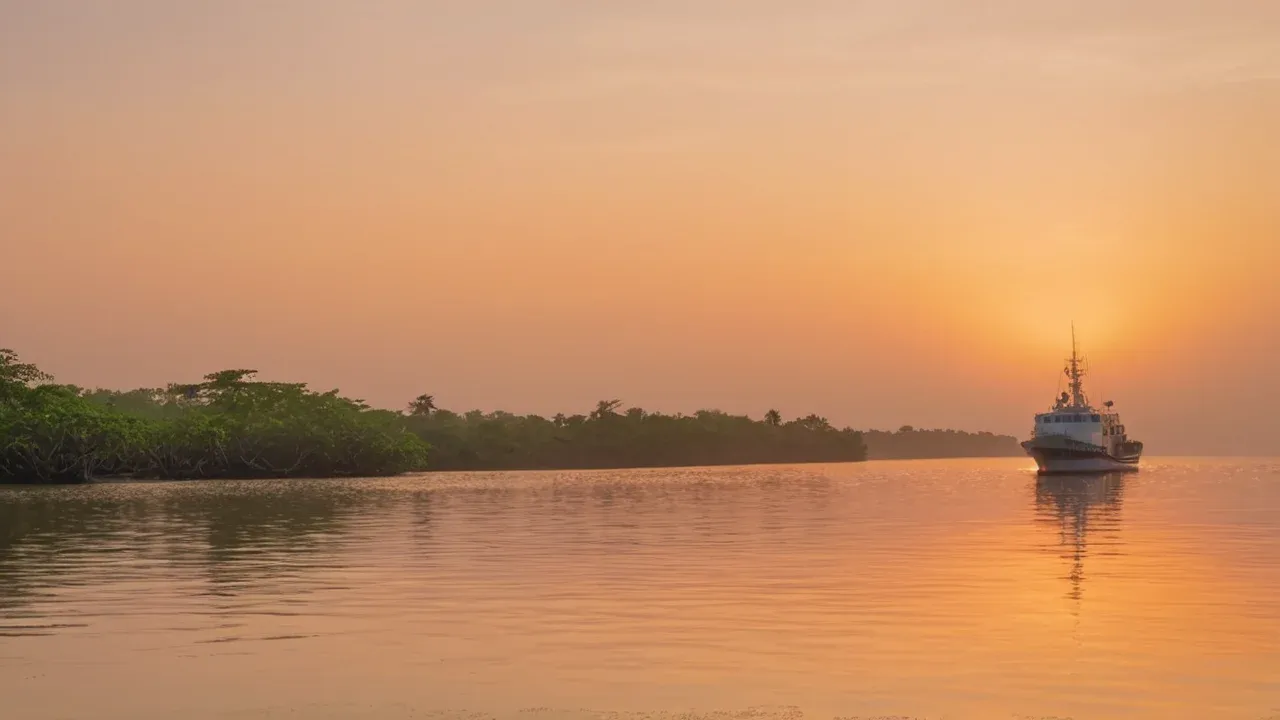
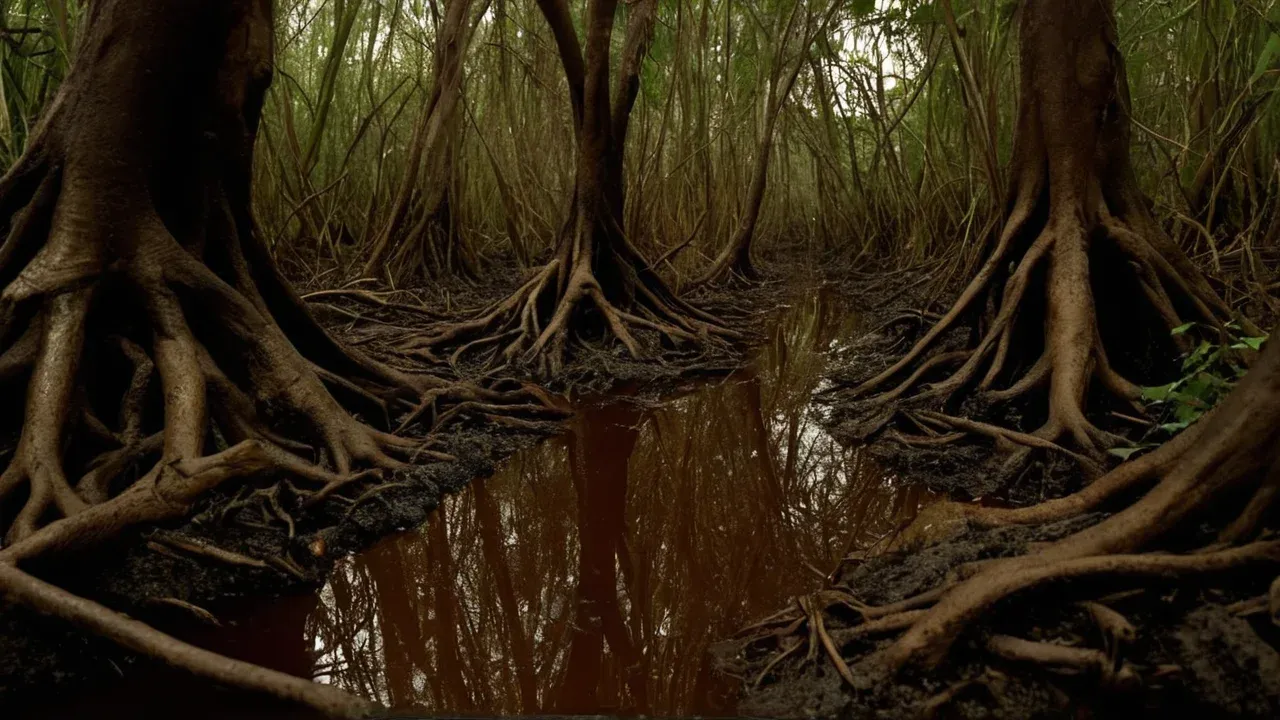
The Niger Delta holds Africa’s largest mangrove forest, a vast repository of biodiversity that defines the region’s ecological character [6]newsisc.comThe Niger Delta is Africa's largest mangrove forest and a shelter of extraordinary biodiversityOpen the source to inspect the supporting evidence.Open source ↗. This intricate network of swamps, islands, and waterways functions as both a critical environmental buffer and the economic engine of Nigeria. The natural wealth of the area has exacted a heavy environmental toll, however. Decades of oil extraction have poisoned the waters and shores, creating a landscape where ecological health and industrial exploitation clash violently [9]youtube.comThe Niger Delta, described as Africa's largest mangrove forest, faces degradation from decades of oil extraction that has poisoned waters and shoresOpen the source to inspect the supporting evidence.Open source ↗. Local communities, who rely on fishing and farming for their livelihoods, have seen their ecosystems systematically undermined by the relentless demand for crude oil. The result is a population bearing the brunt of pollution and instability.
For years, the Nigerian government and international observers watched as the Delta became a theater of environmental crisis and security failure. The presence of vast oil reserves attracted global energy companies, but the regulatory framework struggled to manage the downstream consequences. Oil spills, gas flaring, and pipeline vandalism became normalized aspects of daily life in the region. Systemic neglect fueled a lucrative black market that emerged from the theft of national resources, driving degradation far beyond the direct byproduct of industrial activity. The "exploited" nature of the Delta, as described in recent analyses, highlights a dual burden: the land itself is exploited for its hydrocarbons, while the people are exploited by the chaos that follows [8]modernghana.comNigeria's 'exploited' Delta gets its first marine guardiansOpen the source to inspect the supporting evidence.Open source ↗. This context of ecological and social erosion set the stage for a significant shift in security posture, marking the beginning of a new era for maritime governance in the region.
Compass Predictive Analytics
The Launch of Operation Delta Sentinel
The Nigerian Navy initiated a decisive change in its operational strategy in response to the escalating crisis. On January 13, 2026, the military launched Operation Delta Sentinel, a major maritime security initiative aimed at strengthening surveillance and curbing crude oil theft across the Niger Delta [7]facebook.comThe Niger Delta is Africa's largest mangrove forest and a shelter of extraordinary biodiversityOpen the source to inspect the supporting evidence.Open source ↗. This operation was designed to replace the previous Operation Delta Sanity II, signaling a renewed push to secure Nigeria’s critical oil assets and boost crude oil production toward its target of 2.5 million barrels per day [1]guardian.ngNavy’s Operation Delta Sentinel to curb oil theft, aid 2.5mbpd targetOpen the source to inspect the supporting evidence.Open source ↗. The launch of Operation Delta Sentinel represented a strategic declaration that the state was reclaiming control over its maritime domain.
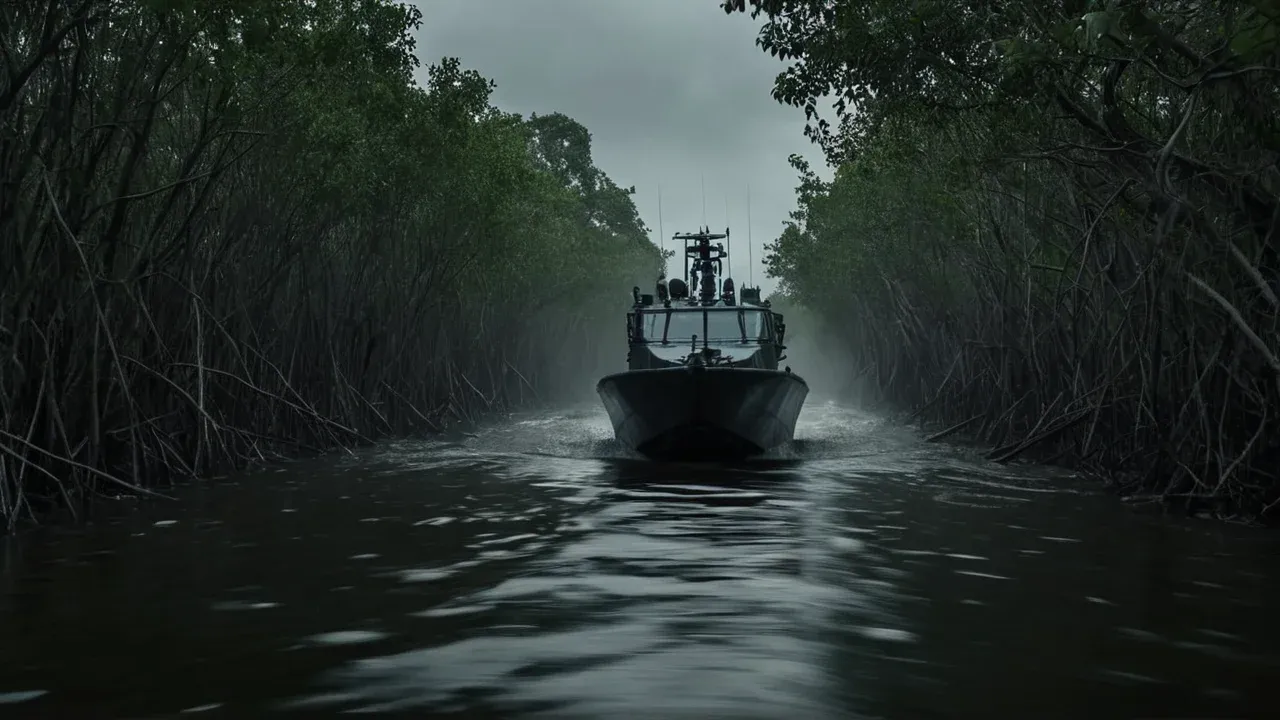
The mandate of Operation Delta Sentinel was clear and aggressive: to dismantle the infrastructure of illegal oil refining and disrupt the networks responsible for crude oil theft and illegal bunkering. The Nigerian Navy, often referred to as the "first marine guardians" of this new era, moved to patrol the ecologically sensitive and heavily polluted regions of the Delta [8]modernghana.comNigeria's 'exploited' Delta gets its first marine guardiansOpen the source to inspect the supporting evidence.Open source ↗. These patrols constituted intensive, sustained offensive operations targeting the hideouts of syndicates that had operated with impunity for years, rather than serving merely as symbolic gestures. The operation relied on enhanced surveillance capabilities and rapid response teams to intercept tankers and raid refineries hidden deep within the mangrove forests. The launch was announced officially by the Nigerian Navy HQ, confirming the commitment to a zero-tolerance policy against maritime crime [5]guardian.ngNavy recovers 105,000 litres of stolen crude oil in DeltaOpen the source to inspect the supporting evidence.Open source ↗.
The timing of the launch was critical. With global energy markets volatile and Nigeria’s economy heavily dependent on oil revenues, the loss of crude to theft was a national security threat as much as an economic one. Operation Delta Sentinel represented the first coordinated, large-scale attempt to merge environmental protection with security enforcement. By targeting the thieves, the Navy aimed to reduce the pollution caused by unrefined crude being dumped into the waterways and to restore a sense of order to the Delta’s waters. The operation’s success would depend on its ability to sustain pressure on the syndicates and to prevent the reactivation of dismantled illegal facilities.
Compass Predictive Analytics

Sustained Offensive and Quantifiable Results
The effectiveness of Operation Delta Sentinel became evident through a series of high-impact operations conducted throughout 2026. The Nigerian Navy sustained its offensive with relentless precision, recovering significant quantities of stolen crude oil and dismantling illegal refining sites. In July 2026 alone, the Navy reported dismantling 48 illegal refinery sites, a staggering figure that demonstrated the scale of the illegal industry and the intensity of the crackdown [4]vanguardngr.comNavy dismantles 48 illegal refineries, arrests 91 suspects in anti-oil theft crackdownOpen the source to inspect the supporting evidence.Open source ↗. During this same period, the Navy recovered about 4.698 million litres of stolen crude oil and illegally refined petroleum products, effectively removing a massive volume of illicit energy from the market [4]vanguardngr.comNavy dismantles 48 illegal refineries, arrests 91 suspects in anti-oil theft crackdownOpen the source to inspect the supporting evidence.Open source ↗. These actions were accompanied by the arrest of more than 91 suspects, disrupting the leadership and operational capacity of key syndicates [4]vanguardngr.comNavy dismantles 48 illegal refineries, arrests 91 suspects in anti-oil theft crackdownOpen the source to inspect the supporting evidence.Open source ↗.
The momentum continued into the following months. In August 2026, the Nigerian Navy recovered 105,000 litres of stolen crude oil in a sustained offensive against crude oil theft and illegal bunkering activities under Operation Delta Sentinel in Delta State [5]guardian.ngNavy recovers 105,000 litres of stolen crude oil in DeltaOpen the source to inspect the supporting evidence.Open source ↗. This recovery was part of a broader trend of success, with the Navy intensifying its crackdown on crude oil theft and illegal bunkering under the operation [6]newsisc.comThe Niger Delta is Africa's largest mangrove forest and a shelter of extraordinary biodiversityOpen the source to inspect the supporting evidence.Open source ↗. The results were not isolated incidents but part of a consistent pattern of enforcement. In Rivers State, another hotspot for illegal refining, the Navy recovered over 126,000 litres of stolen crude oil and illegally refined petroleum products while dismantling reactivated illegal refining sites [2]spyetv.com.ngOperation DELTA SENTINEL: Nigerian Navy Recovers Over 126,000 Litres of Stolen Crude, Illegally Refined Products in RiversOpen the source to inspect the supporting evidence.Open source ↗. The operation also targeted specific axes, such as the Ogba-Egbema-Ndoni axis, where naval personnel uncovered and deactivated illegal refining facilities linked to ongoing crude oil theft [10]guardian.ngNavy destroys two illegal refineries, recovers 85,300 litres of suspected stolen crude in RiversOpen the source to inspect the supporting evidence.Open source ↗.
The cumulative impact of these operations was significant. By mid-2026, the Navy had already dismantled 12 illegal refineries and recovered 531,500 litres of stolen crude in the first quarter alone [3]en.wikipedia.orgNigeria is a federal republic comprising 36 states and the Federal Capital TerritoryOpen the source to inspect the supporting evidence.Open source ↗. The combination of these figures illustrates a comprehensive effort to choke off the illegal oil economy. The arrest of suspects and the destruction of infrastructure sent a clear message to the syndicates: the era of impunity was over. The Nigerian Navy’s ability to operate in the difficult terrain of the Delta, navigating the complex waterways to find and destroy hidden refineries, showcased a new level of tactical proficiency and commitment. The results represented a tangible reduction in the environmental damage caused by illegal refining and a restoration of state authority in the region.
Compass Predictive Analytics
Strategic Implications and Future Outlook
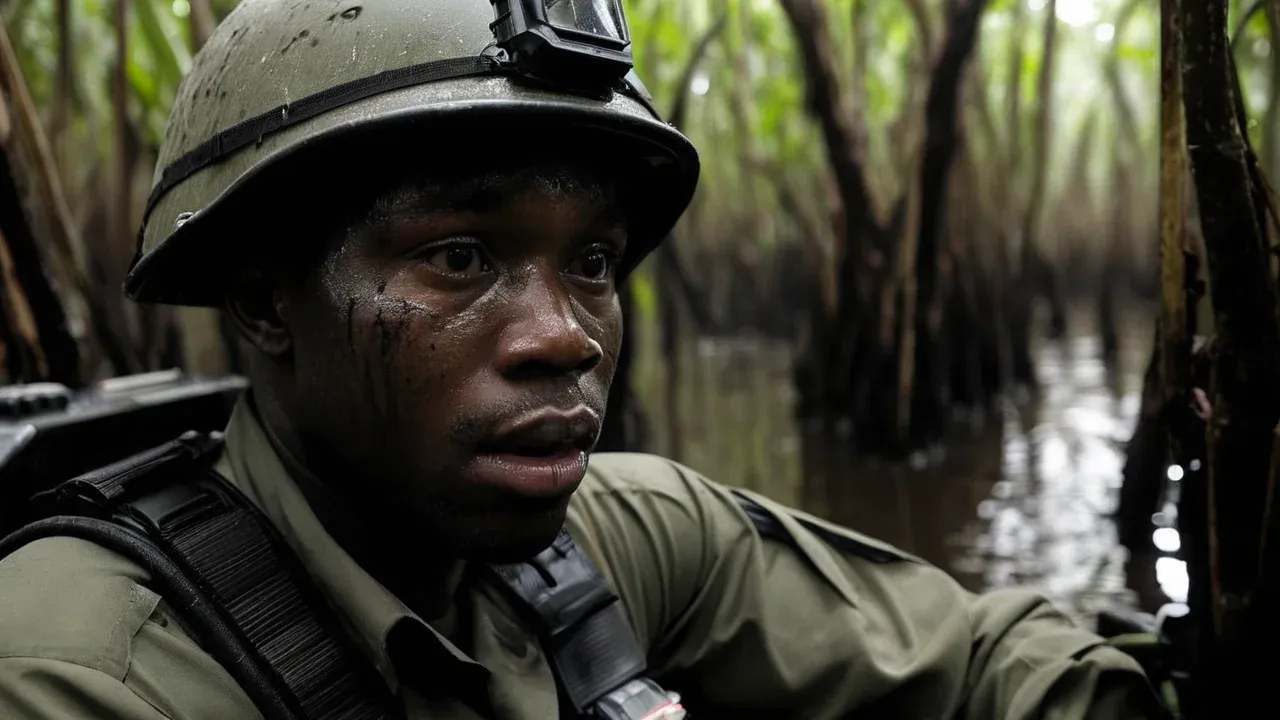
The deployment of Operation Delta Sentinel and its subsequent success marks a pivotal moment in Nigeria’s relationship with its Niger Delta region. The concept of "marine guardians" extends beyond the military personnel on the water; it represents a broader commitment to protecting the ecological and economic integrity of the Delta. By curbing crude oil theft, the Navy is not only securing national revenue but also mitigating the environmental hazards associated with illegal refining, such as the dumping of toxic waste into the mangroves. This dual benefit aligns with the growing global emphasis on environmental sustainability and responsible resource management.
The success of Operation Delta Sentinel also has implications for Nigeria’s broader energy strategy. By reducing the volume of stolen crude, the Navy helps to stabilize production levels and improve the reliability of Nigeria’s oil exports. This, in turn, supports the government’s goal of achieving a production target of 2.5 million barrels per day, a critical benchmark for economic recovery and stability [1]guardian.ngNavy’s Operation Delta Sentinel to curb oil theft, aid 2.5mbpd targetOpen the source to inspect the supporting evidence.Open source ↗. The crackdown on illegal bunkering also disrupts the financing of other criminal activities, potentially reducing the overall security threat in the region. The arrest of suspects and the dismantling of refineries weaken the power of armed groups that have long exploited the Delta’s chaos.
However, the challenges remain substantial. The Delta’s vast and complex geography makes complete eradication of illegal activities difficult. Syndicates may adapt to the crackdown by moving operations to new locations or employing more sophisticated concealment techniques. Sustaining the momentum of Operation Delta Sentinel will require continued investment in surveillance technology, intelligence gathering, and inter-agency cooperation. The Nigerian Navy must maintain its offensive posture to prevent the reactivation of dismantled facilities and the emergence of new syndicates.
The narrative of Nigeria’s "exploited" Delta getting its "first marine guardians" is not just a story of military success but of ecological and social redemption. The degradation from decades of oil extraction that poisoned waters and shores [9]youtube.comThe Niger Delta, described as Africa's largest mangrove forest, faces degradation from decades of oil extraction that has poisoned waters and shoresOpen the source to inspect the supporting evidence.Open source ↗ is now being countered by a determined effort to restore order and protect the environment. The results of Operation Delta Sentinel in 2026 demonstrate that state authority can be reasserted in even the most challenging environments. As the operation continues, the focus must remain on long-term sustainability, ensuring that the protection of the Delta’s resources is matched by the empowerment of its communities. The marine guardians have established a new baseline for security, but the work of healing the Delta is just beginning. The decisive actions taken in 2026 provide a foundation for a future where the Niger Delta is no longer defined by exploitation and degradation, but by resilience and restoration.
Compass Predictive Analytics