
Listen to this article
Narrated by Charlotte · The Noble House

TP-Link Systems Inc. faces a compounding crisis in the US market, defined by an unresolved regulatory blockade and aggressive legal action from state governments [1]arstechnica.comTP-Link problems in US grow amid FCC router ban and four state lawsuitsFlorida, Iowa, Montana, and Nebraska have filed consumer-protection lawsuits against TP-Link Systems Inc. for allegedly misrepresenting security protections and ties to China.Open source ↗[5]securityweek.comFour US states have sued TP-Link Systems, accusing the router maker of misleading consumers about the security of its products and its ties to ChinaFour US states have sued TP-Link Systems, accusing the router maker of misleading consumers about the security of its products and its ties to China.Open source ↗. These developments create a distinct competitive disadvantage compared to rivals like Asus, which has cleared similar regulatory barriers while TP-Link remains restricted [4]gadgetreview.comAsus Just Cleared the U.S. Router Ban. TP-Link Didn't.TP-Link's Archer 8 Wi-Fi 8 launch faces uncertainty as its FCC exemption application remains unresolved.Open source ↗.
Regulatory Obstacles and Market Exclusion
The Federal Communications Commission implemented a ban on consumer-grade routers produced wholly or partly outside the United States, citing national security concerns related to foreign supply chains and documented attacks by Chinese state-linked hacking groups [1]arstechnica.comTP-Link problems in US grow amid FCC router ban and four state lawsuitsFlorida, Iowa, Montana, and Nebraska have filed consumer-protection lawsuits against TP-Link Systems Inc. for allegedly misrepresenting security protections and ties to China.Open source ↗. This regulation requires router manufacturers to obtain a Conditional Approval exemption from the Department of Defense or the Department of Homeland Security before new models can receive FCC authorization for sale in the US [4]gadgetreview.comAsus Just Cleared the U.S. Router Ban. TP-Link Didn't.TP-Link's Archer 8 Wi-Fi 8 launch faces uncertainty as its FCC exemption application remains unresolved.Open source ↗. TP-Link’s application for such an exemption remains unresolved, effectively blocking its latest products from the American market [7]newsminimalist.comTP-Link can't sell latest routers in US, still needs exemption from FCC banTP-Link can't sell latest routers in US, still needs exemption from FCC ban.Open source ↗.
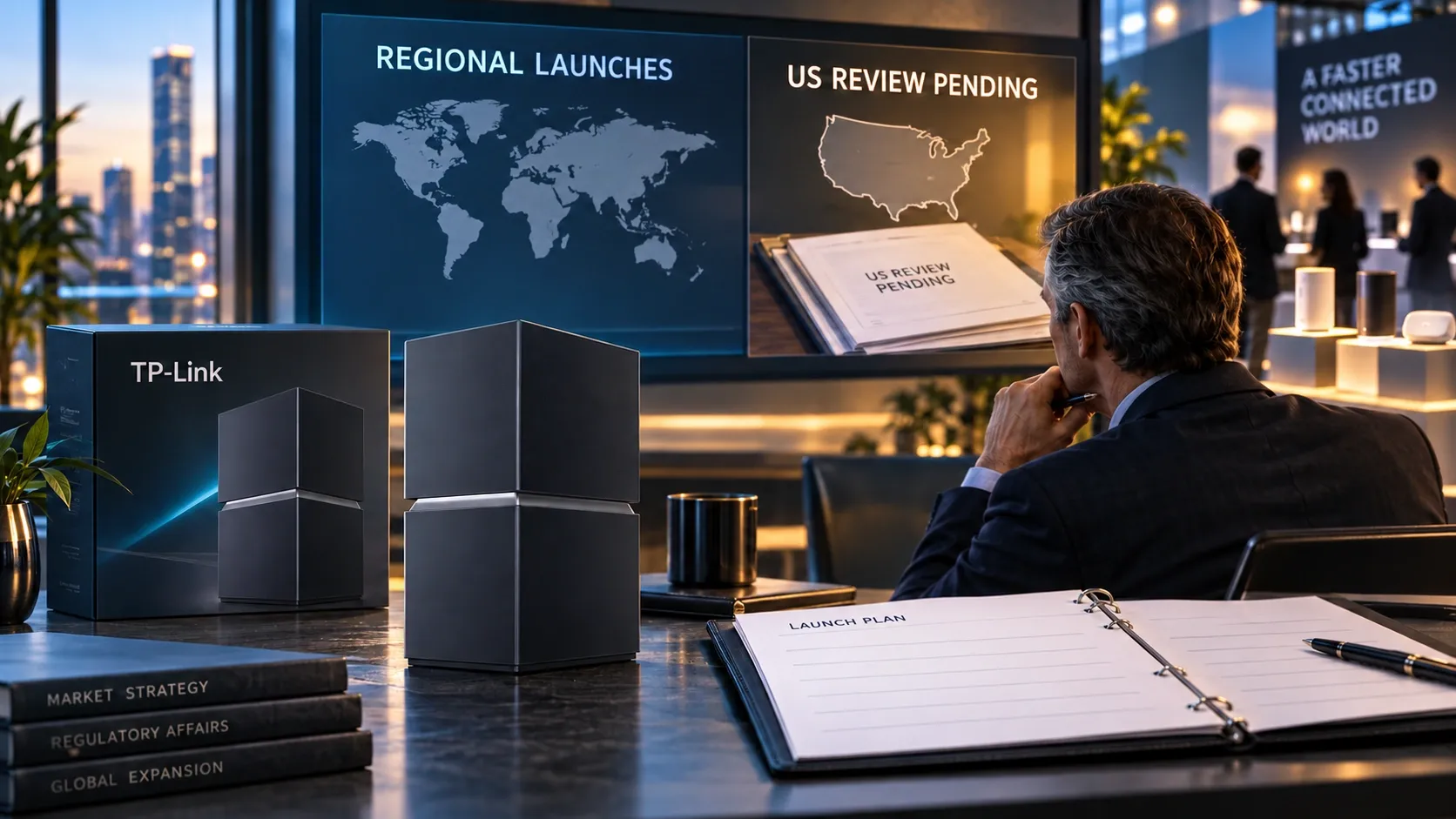
TP-Link debuted its first consumer Wi-Fi 8 routers, including the Archer 8 Ultra and Deco 8 Ultra, at the IFA electronics show in Berlin [2]pcmag.comTP-Link Preps Wi-Fi 8 Router, Will The FCC's Ban Block It?TP-Link is now accepting preorders for its Wi-Fi 8 routers, but as expected, they are not going on sale in the US yet thanks to the FCC ban. Since TP-Link manufactures its products in Vietnam, it will need an exemption from the US agency…Open source ↗. The company opened preorders on September 30 in select regions, including Canada, the UK, Australia, and Germany, but the US was missing from the list [3]msn.comTP-Link starts selling Wi-Fi 8 routers, but you can't get one thanks to the FCCThe Federal Communications Commission has been issuing temporary waivers to the ban for vendors, including US-based Netgear, Amazon's Eero, and most recently, Taiwanese PC maker Asus. But so far, no such exemption has been granted to…Open source ↗. TP-Link stated that it is working with regulators to bring its next-generation Wi-Fi 8 portfolio to American consumers, and that for new products it is going through the FCC’s standard approval process [1]arstechnica.comTP-Link problems in US grow amid FCC router ban and four state lawsuitsFlorida, Iowa, Montana, and Nebraska have filed consumer-protection lawsuits against TP-Link Systems Inc. for allegedly misrepresenting security protections and ties to China.Open source ↗. The company argues that it qualifies as a US business, noting that it moved its headquarters to Irvine, California, in October 2024 and employs over 550 staff in the country [1]arstechnica.comTP-Link problems in US grow amid FCC router ban and four state lawsuitsFlorida, Iowa, Montana, and Nebraska have filed consumer-protection lawsuits against TP-Link Systems Inc. for allegedly misrepresenting security protections and ties to China.Open source ↗. TP-Link also pledged to invest hundreds of millions of dollars in US manufacturing and research and development to align with FCC policy goals [3]msn.comTP-Link starts selling Wi-Fi 8 routers, but you can't get one thanks to the FCCThe Federal Communications Commission has been issuing temporary waivers to the ban for vendors, including US-based Netgear, Amazon's Eero, and most recently, Taiwanese PC maker Asus. But so far, no such exemption has been granted to…Open source ↗.
The regulatory environment has shifted significantly for competitors. Asus received Conditional Approval from the FCC, valid through March 2028, after the Defense Department determined its routers do not pose a national security risk [6]techspot.comGood news for fans of Asus routers: the FCC has announced that the Defense Department does not believe they pose a security riskGood news for fans of Asus routers: the FCC has announced that the Defense Department does not believe they pose a security risk.Open source ↗. This clearance keeps Asus’s plans to bring its Wi-Fi 8 hardware to the US viable, though US launch details have yet to be announced, giving it an edge over TP-Link [4]gadgetreview.comAsus Just Cleared the U.S. Router Ban. TP-Link Didn't.TP-Link's Archer 8 Wi-Fi 8 launch faces uncertainty as its FCC exemption application remains unresolved.Open source ↗. Other manufacturers, including Netgear, Amazon’s Eero subsidiary, Nokia, and SpaceX’s Starlink division, have also secured exemptions or waivers [1]arstechnica.comTP-Link problems in US grow amid FCC router ban and four state lawsuitsFlorida, Iowa, Montana, and Nebraska have filed consumer-protection lawsuits against TP-Link Systems Inc. for allegedly misrepresenting security protections and ties to China.Open source ↗. TP-Link remains unable to sell its latest Wi-Fi 8 routers in the US, though models approved before the ban’s effective date continue to be sold and supported under temporary waivers [9]riorouter.comTP-Link Ban 2026: What It Means for Your RouterWhat the FCC's 2026 router rules mean if you own a TP-Link or other router, how to check your router's maker and FCC ID, and what to look for next.Open source ↗.
Compass Predictive Analytics
Compass Predictive Analytics

State-Level Litigation and Consumer Protection Claims
Simultaneously with the regulatory stalemate, four US states have initiated legal action against TP-Link Systems Inc. Florida, Iowa, Montana, and Nebraska filed nearly identical consumer-protection lawsuits in October 2026 [5]securityweek.comFour US states have sued TP-Link Systems, accusing the router maker of misleading consumers about the security of its products and its ties to ChinaFour US states have sued TP-Link Systems, accusing the router maker of misleading consumers about the security of its products and its ties to China.Open source ↗. The complaints allege that TP-Link misled consumers regarding the security of its devices and its corporate ties to China [8]yahoo.comFlorida, Iowa, Montana, and Nebraska have filed consumer-protection lawsuits against TP-Link Systems Inc.Florida, Iowa, Montana, and Nebraska have filed consumer-protection lawsuits against TP-Link Systems Inc. for allegedly misrepresenting security protections and ties to China.Open source ↗. Texas filed a similar lawsuit earlier in the year, indicating a broader pattern of state-level scrutiny [5]securityweek.comFour US states have sued TP-Link Systems, accusing the router maker of misleading consumers about the security of its products and its ties to ChinaFour US states have sued TP-Link Systems, accusing the router maker of misleading consumers about the security of its products and its ties to China.Open source ↗.
Florida Attorney General James Uthmeier announced his office’s lawsuit by describing routers as the digital front door to home networks [8]yahoo.comFlorida, Iowa, Montana, and Nebraska have filed consumer-protection lawsuits against TP-Link Systems Inc.Florida, Iowa, Montana, and Nebraska have filed consumer-protection lawsuits against TP-Link Systems Inc. for allegedly misrepresenting security protections and ties to China.Open source ↗. He stated that Florida would not allow families to be misled into handing personal data to the Chinese Communist Party [1]arstechnica.comTP-Link problems in US grow amid FCC router ban and four state lawsuitsFlorida, Iowa, Montana, and Nebraska have filed consumer-protection lawsuits against TP-Link Systems Inc. for allegedly misrepresenting security protections and ties to China.Open source ↗. The complaints argue that TP-Link’s marketing overstates the protection provided by its HomeShield service, citing past claims that it covers all security scenarios or offers a 100% safeguard [5]securityweek.comFour US states have sued TP-Link Systems, accusing the router maker of misleading consumers about the security of its products and its ties to ChinaFour US states have sued TP-Link Systems, accusing the router maker of misleading consumers about the security of its products and its ties to China.Open source ↗. To counter these assertions, the states reference congressional testimony and reports linking TP-Link routers to exploitation by Chinese state-linked hacking groups such as Volt Typhoon and Flax Typhoon [8]yahoo.comFlorida, Iowa, Montana, and Nebraska have filed consumer-protection lawsuits against TP-Link Systems Inc.Florida, Iowa, Montana, and Nebraska have filed consumer-protection lawsuits against TP-Link Systems Inc. for allegedly misrepresenting security protections and ties to China.Open source ↗. The filings also note vulnerabilities exploited by Russian intelligence agencies and botnets used for password spraying attacks [5]securityweek.comFour US states have sued TP-Link Systems, accusing the router maker of misleading consumers about the security of its products and its ties to ChinaFour US states have sued TP-Link Systems, accusing the router maker of misleading consumers about the security of its products and its ties to China.Open source ↗.
The lawsuits challenge TP-Link’s narrative of separation from China. They allege that final assembly in Vietnam does not cure deceptive statements about Chinese dependence, pointing to a Bloomberg report that most components are imported from China [1]arstechnica.comTP-Link problems in US grow amid FCC router ban and four state lawsuitsFlorida, Iowa, Montana, and Nebraska have filed consumer-protection lawsuits against TP-Link Systems Inc. for allegedly misrepresenting security protections and ties to China.Open source ↗. The complaints further claim that TP-Link fails to disclose that its Chinese affiliates are subject to China’s intelligence laws and regulations requiring vulnerability reporting to the government [5]securityweek.comFour US states have sued TP-Link Systems, accusing the router maker of misleading consumers about the security of its products and its ties to ChinaFour US states have sued TP-Link Systems, accusing the router maker of misleading consumers about the security of its products and its ties to China.Open source ↗. Nebraska Attorney General Mike Hilgers’ office stated that TP-Link does not disclose ongoing ties to a Chinese military contractor or vulnerabilities exploitable by state-affiliated hackers [1]arstechnica.comTP-Link problems in US grow amid FCC router ban and four state lawsuitsFlorida, Iowa, Montana, and Nebraska have filed consumer-protection lawsuits against TP-Link Systems Inc. for allegedly misrepresenting security protections and ties to China.Open source ↗.
TP-Link has rejected these allegations as baseless. Corporate affairs officer Steve Kovsky described the coordinated lawsuits as built on false premises that unfairly penalize an industry-leading US company [5]securityweek.comFour US states have sued TP-Link Systems, accusing the router maker of misleading consumers about the security of its products and its ties to ChinaFour US states have sued TP-Link Systems, accusing the router maker of misleading consumers about the security of its products and its ties to China.Open source ↗. The company asserts that it provides regulators with documentation proving its US devices are manufactured in Vietnam and that it is an independent entity not controlled by foreign governments [1]arstechnica.comTP-Link problems in US grow amid FCC router ban and four state lawsuitsFlorida, Iowa, Montana, and Nebraska have filed consumer-protection lawsuits against TP-Link Systems Inc. for allegedly misrepresenting security protections and ties to China.Open source ↗. TP-Link also emphasized that it complies with US privacy laws and performs comprehensive security testing using trusted third-party labs [1]arstechnica.comTP-Link problems in US grow amid FCC router ban and four state lawsuitsFlorida, Iowa, Montana, and Nebraska have filed consumer-protection lawsuits against TP-Link Systems Inc. for allegedly misrepresenting security protections and ties to China.Open source ↗.
Compass Predictive Analytics

Security Vulnerabilities and Corporate Structure Disputes
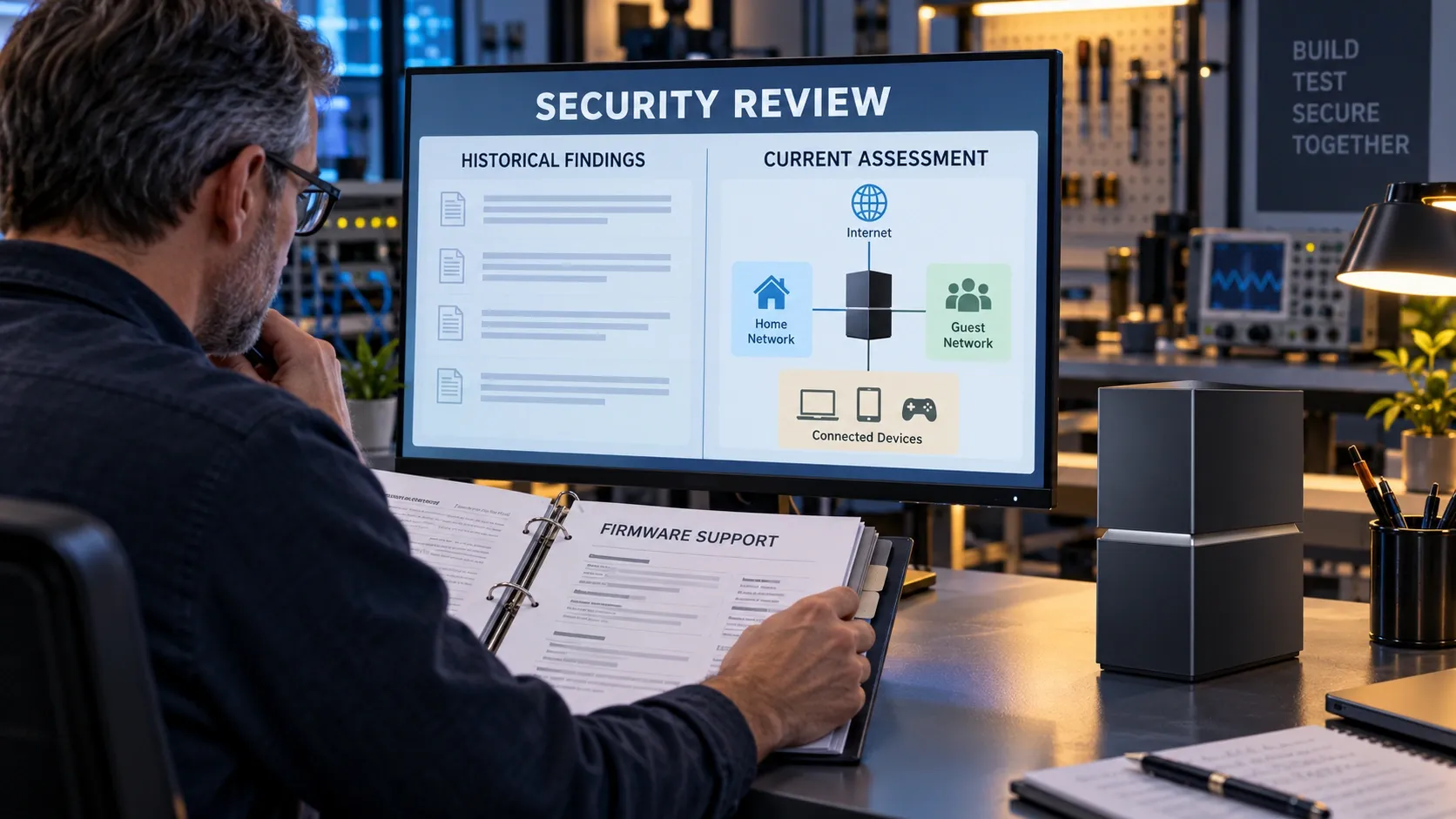
The legal arguments hinge on specific technical failures and corporate governance questions. The state complaints cite recent security flaws in TP-Link’s Aginet line of ISP-managed mesh systems, routers, and modems [5]securityweek.comFour US states have sued TP-Link Systems, accusing the router maker of misleading consumers about the security of its products and its ties to ChinaFour US states have sued TP-Link Systems, accusing the router maker of misleading consumers about the security of its products and its ties to China.Open source ↗. Researchers from SEC Consult identified five vulnerabilities that allowed unauthenticated attackers to fully compromise affected devices, including authentication bypasses and command injection issues [5]securityweek.comFour US states have sued TP-Link Systems, accusing the router maker of misleading consumers about the security of its products and its ties to ChinaFour US states have sued TP-Link Systems, accusing the router maker of misleading consumers about the security of its products and its ties to China.Open source ↗. TP-Link disclosed these flaws in August 2025, noting that fixes were distributed by ISPs rather than directly to consumers [5]securityweek.comFour US states have sued TP-Link Systems, accusing the router maker of misleading consumers about the security of its products and its ties to ChinaFour US states have sued TP-Link Systems, accusing the router maker of misleading consumers about the security of its products and its ties to China.Open source ↗.
The disputes over corporate structure involve conflicting narratives about ownership and supply chain transparency. The Nebraska complaint references a US Department of Defense designation labeling TP-Link Technologies, the Chinese entity connected to the defendant, as a Chinese military company under Section 1260H of the National Defense Authorization Act [8]yahoo.comFlorida, Iowa, Montana, and Nebraska have filed consumer-protection lawsuits against TP-Link Systems Inc.Florida, Iowa, Montana, and Nebraska have filed consumer-protection lawsuits against TP-Link Systems Inc. for allegedly misrepresenting security protections and ties to China.Open source ↗. This federal action is separate from the state lawsuits and does not itself resolve their factual disputes [8]yahoo.comFlorida, Iowa, Montana, and Nebraska have filed consumer-protection lawsuits against TP-Link Systems Inc.Florida, Iowa, Montana, and Nebraska have filed consumer-protection lawsuits against TP-Link Systems Inc. for allegedly misrepresenting security protections and ties to China.Open source ↗.
TP-Link maintains that CEO Jeffrey Chao resides in Irvine, California, and has never been a member of the CCP [8]yahoo.comFlorida, Iowa, Montana, and Nebraska have filed consumer-protection lawsuits against TP-Link Systems Inc.Florida, Iowa, Montana, and Nebraska have filed consumer-protection lawsuits against TP-Link Systems Inc. for allegedly misrepresenting security protections and ties to China.Open source ↗. The company states that US customer data is stored on Amazon Web Services servers located in the United States [8]yahoo.comFlorida, Iowa, Montana, and Nebraska have filed consumer-protection lawsuits against TP-Link Systems Inc.Florida, Iowa, Montana, and Nebraska have filed consumer-protection lawsuits against TP-Link Systems Inc. for allegedly misrepresenting security protections and ties to China.Open source ↗. However, Florida Attorney General Uthmeier characterized TP-Link’s claim of splitting from China as fiction, arguing that research and manufacturing remain rooted there [1]arstechnica.comTP-Link problems in US grow amid FCC router ban and four state lawsuitsFlorida, Iowa, Montana, and Nebraska have filed consumer-protection lawsuits against TP-Link Systems Inc. for allegedly misrepresenting security protections and ties to China.Open source ↗. The lawsuit noted that final assembly of components sourced through China in Vietnam does not resolve material omissions regarding Chinese affiliations [1]arstechnica.comTP-Link problems in US grow amid FCC router ban and four state lawsuitsFlorida, Iowa, Montana, and Nebraska have filed consumer-protection lawsuits against TP-Link Systems Inc. for allegedly misrepresenting security protections and ties to China.Open source ↗.
Montana Attorney General Austin Knudsen joined a coalition of 21 state attorneys general urging the FCC to scrutinize TP-Link’s practices [5]securityweek.comFour US states have sued TP-Link Systems, accusing the router maker of misleading consumers about the security of its products and its ties to ChinaFour US states have sued TP-Link Systems, accusing the router maker of misleading consumers about the security of its products and its ties to China.Open source ↗. Knudsen suggested that TP-Link routers should be considered a Trojan horse for spying and urged the commission to decline conditional approval for national security reasons [5]securityweek.comFour US states have sued TP-Link Systems, accusing the router maker of misleading consumers about the security of its products and its ties to ChinaFour US states have sued TP-Link Systems, accusing the router maker of misleading consumers about the security of its products and its ties to China.Open source ↗. These legal and regulatory pressures show state officials pressing allegations of security and transparency failures against TP-Link while its FCC exemption remains unresolved.
Compass Predictive Analytics
Market Impact and Strategic Outlook
The convergence of FCC regulatory delays and state lawsuits creates significant uncertainty for TP-Link’s US operations. The company’s Wi-Fi 8 launch timeline is contingent on a regulatory decision with no confirmed timeline [4]gadgetreview.comAsus Just Cleared the U.S. Router Ban. TP-Link Didn't.TP-Link's Archer 8 Wi-Fi 8 launch faces uncertainty as its FCC exemption application remains unresolved.Open source ↗. Without an exemption, new models cannot receive US authorization, meaning TP-Link can keep selling its existing authorized products but cannot launch new models in the US [9]riorouter.comTP-Link Ban 2026: What It Means for Your RouterWhat the FCC's 2026 router rules mean if you own a TP-Link or other router, how to check your router's maker and FCC ID, and what to look for next.Open source ↗. This situation contrasts with Asus, which has cleared the ban and whose US launch details are still to follow [6]techspot.comGood news for fans of Asus routers: the FCC has announced that the Defense Department does not believe they pose a security riskGood news for fans of Asus routers: the FCC has announced that the Defense Department does not believe they pose a security risk.Open source ↗.
TP-Link’s strategy relies on proving its status as a US company through investment and legal defense. The company argues that its hundreds of millions in US investments align with FCC policy goals [3]msn.comTP-Link starts selling Wi-Fi 8 routers, but you can't get one thanks to the FCCThe Federal Communications Commission has been issuing temporary waivers to the ban for vendors, including US-based Netgear, Amazon's Eero, and most recently, Taiwanese PC maker Asus. But so far, no such exemption has been granted to…Open source ↗. It continues to offer existing products for sale and update support under temporary waivers, attempting to maintain market share while navigating the exemption process [9]riorouter.comTP-Link Ban 2026: What It Means for Your RouterWhat the FCC's 2026 router rules mean if you own a TP-Link or other router, how to check your router's maker and FCC ID, and what to look for next.Open source ↗. However, the state lawsuits seek injunctions, civil penalties, and restitution, which could impose financial liabilities and reputational damage regardless of the FCC’s final ruling [5]securityweek.comFour US states have sued TP-Link Systems, accusing the router maker of misleading consumers about the security of its products and its ties to ChinaFour US states have sued TP-Link Systems, accusing the router maker of misleading consumers about the security of its products and its ties to China.Open source ↗.
The competitive landscape in the US router market is shifting. The FCC’s ban targets foreign-produced routers generally, but the exemption process has effectively created a tiered market where cleared brands like Asus and Netgear can obtain authorization for new models while TP-Link cannot yet [4]gadgetreview.comAsus Just Cleared the U.S. Router Ban. TP-Link Didn't.TP-Link's Archer 8 Wi-Fi 8 launch faces uncertainty as its FCC exemption application remains unresolved.Open source ↗. This dynamic forces TP-Link to compete in a constrained environment where its primary new products are legally barred from entry.
Compass Predictive Analytics
Conclusion
TP-Link faces a precarious position in the US market due to unresolved FCC exemptions and aggressive state litigation. TP-Link denies these allegations and emphasizes its US headquarters and investments, but the legal and regulatory barriers remain firmly in place. In contrast, competitors like Asus have cleared similar hurdles, gaining a distinct market advantage. The outcome for TP-Link depends on future FCC decisions and legal proceedings, but current conditions suggest continued exclusion from the new router market.
Compass Predictive Analytics