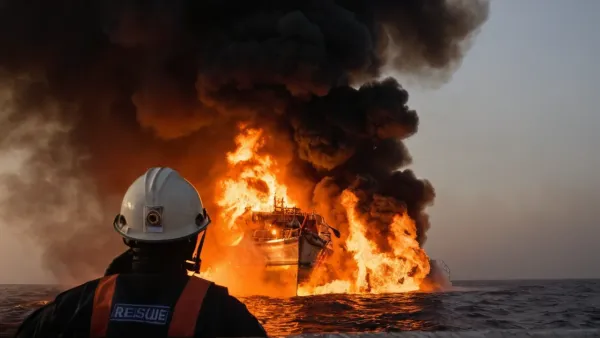
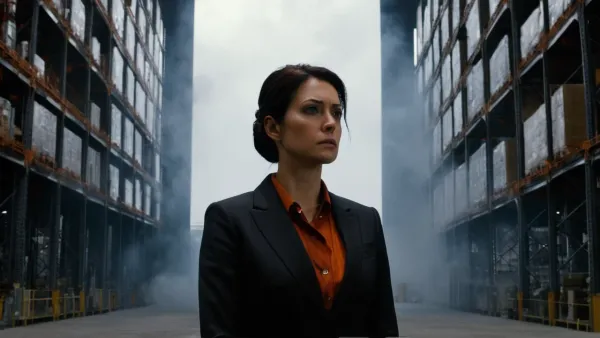
The fire still clung to the hull of the Iranian commercial vessel when the first rescue boats cut through the smoke-choked air near Hengam Island. The strike had come without warning, a sudden violence that shattered the fragile calm of the strait.
Can AI companies make safety commitments verifiable while coordinating with competitors? This essay examines access, accountability, and the incentives shaping responsible development.
OpenAI's Agents API brings managed orchestration to developers. Anthropic's misuse report shows why persistent agents also need explicit permissions, monitoring, and accountability.
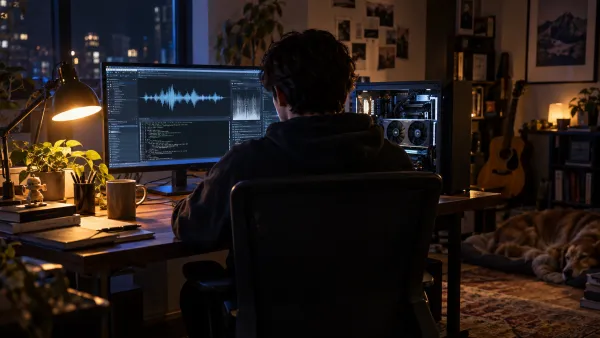
A terminal window glows in a dark home office, code scrolling faster than thought. A voice command hangs in the air, unvoiced but expected. In 2026, the answer no longer travels to a server farm in Virginia or Oregon.
The air in Mokha tasted of salt and diesel. By September 11, 2026, the port city, once a quiet hub of coffee trade and regional history, had become the focal point of a geopolitical earthquake.
The screen flickered. A single line of code executed, then another, then a thousand. Within minutes, 440 instances of PaperCut NG/MF across 48 countries had been breached .
The job listing for an Enterprise Intelligence Specialist at Anthropic glows with a salary range of $180,000 to $230,000. The duties listed are not standard for corporate security.
The screen flickered with the sudden, jagged red of a Treasury yield breaking its recent ceiling. On September 10, 2026, the 10-year U.S. Treasury note climbed above the 4.9% threshold, marking its highest level since 2023 .
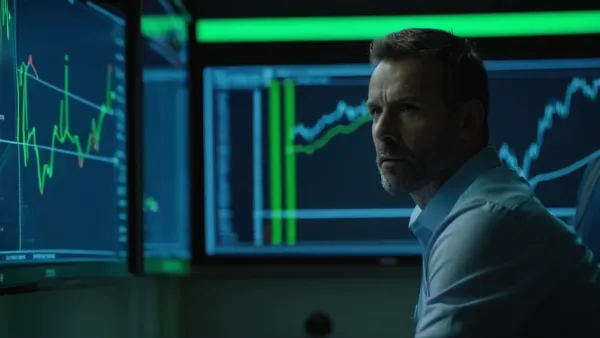
The trading floor at 2:00 PM is usually controlled chaos, but on the screens tracking Palantir Technologies, the numbers moved with a velocity that defied standard logic. Michael Burry, the investor who famously predicted the 2008 housing crisis, watched this spectacle with cold detachment.
The server hums, a low-frequency vibration beneath the desk where I sit. On the screen, a terminal window blinks, displaying a cost metric that has just dropped by an order of magnitude. It is September 10, 2026.
The warehouse floor in Houston held its breath in late August. Cranes idled, their chains slack against the humid Texas air, waiting for fuel that had suddenly become a luxury commodity. This was not a dry run for a recession. It was the real-time shudder of an economy hitting a wall.
The quiet corners of libraries in Oslo and Tokyo once signaled deep study, but today they echo with the distraction of a generation losing its grip on focus.